Description
iPhone XS LCD Screen Assembly Replacement – Budget-Friendly Repair, Reliable Function
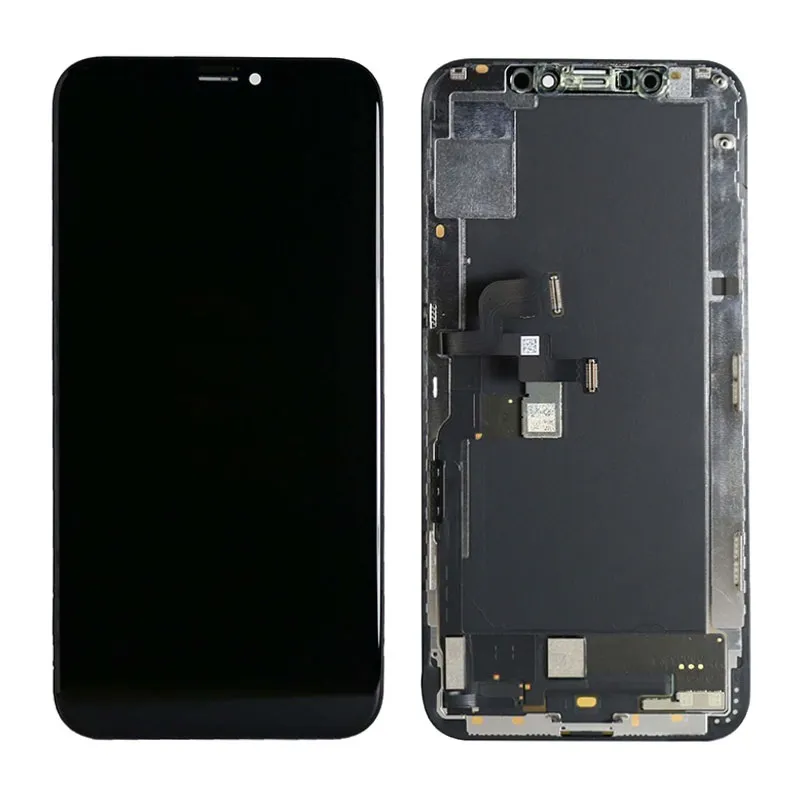
Restore your iPhone XS LCD Screen with this cost-effective aftermarket LCD screen assembly. While the XS originally features an OLED display, this LCD alternative offers a reliable and budget-conscious solution for replacing cracked or malfunctioning screens.
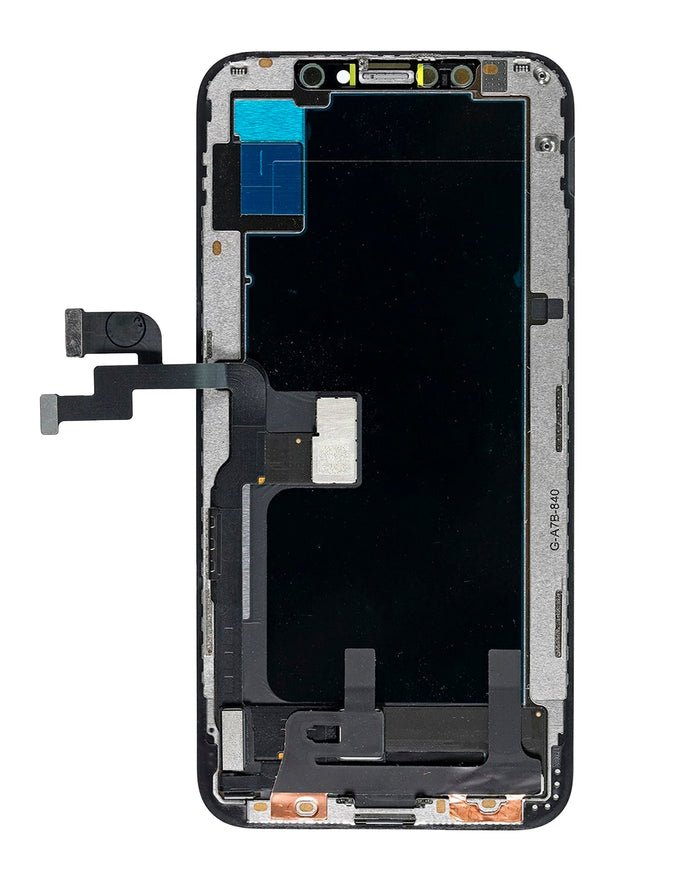
The assembly includes both the LCD panel and digitizer, delivering responsive touch performance and decent color clarity suitable for everyday use. It’s a practical choice for users seeking a functional repair without the higher cost of OLED replacements.
Why Choose Our iPhone XS LCD Screen Assembly Replacement?
Affordable iPhone XS LCD Screen alternative to OLED
Integrated digitizer for smooth and accurate touch
Compatible with all iPhone XS models
Resolves most screen-related issues quickly
Suitable for both professional and DIY repairs
Get your iPhone XS LCD Screen back in working order with this dependable aftermarket LCD screen—built for function, fit, and savings.
When it comes to smartphones, the iPhone XS remains one of Apple’s most recognized devices—valued for its sleek design, advanced performance, and smooth iOS experience. However, like all phones, it’s not immune to wear and tear. The most common issue users face is screen damage. Whether it’s from an accidental drop, a sudden impact, or long-term usage, screen problems affect the overall usability of the device. That’s where the iPhone XS LCD Screen Assembly Replacement (Aftermarket LCD) becomes an ideal, cost-effective solution.
This detailed guide will explain everything you need to know about this replacement option: what it is, its advantages, installation process, common issues it resolves, and why it’s a practical choice for users who want to save money without compromising too much on functionality.
Why the Screen Matters So Much on the iPhone XS
The display is more than just a piece of glass; it’s the window to your entire digital life. From making calls to watching videos, browsing social media, and managing work, your screen is in constant use. Any damage to it instantly reduces the phone’s effectiveness.
A cracked or malfunctioning screen may cause:
-
Touch sensitivity issues (screen not responding properly).
-
Distorted colors and reduced brightness.
-
Dead pixels or black spots that block your view.
-
Random flickering or ghost touches.
-
A completely non-functional screen.
Instead of buying a new phone, which can cost a fortune, many users choose the iPhone XS LCD Screen Assembly Replacement (Aftermarket LCD) to bring their device back to life affordably.
What Does “Aftermarket LCD” Mean?
Before diving deeper, it’s important to clarify the meaning of “aftermarket LCD.”
-
OEM (Original Equipment Manufacturer): This is the official Apple-quality screen. It offers the same performance as the original device but usually comes at a high cost.
-
Aftermarket LCD: A third-party manufactured screen designed to be compatible with the iPhone XS. It is not made by Apple, but it’s engineered to provide a functional, budget-friendly alternative.
While it doesn’t deliver the exact sharpness, color accuracy, or energy efficiency of the original OLED screen, the aftermarket LCD remains a solid option for those who want to fix their phone without spending a fortune.
Key Features of iPhone XS LCD Screen Assembly Replacement (Aftermarket LCD)
-
Affordable Pricing – Significantly cheaper than OEM or OLED screens, making it ideal for budget-conscious repairs.
-
Full Touch Functionality – Maintains responsive touch performance, allowing smooth swiping, typing, and gestures.
-
Decent Display Quality – While not as vivid as OLED, it still offers good brightness and color reproduction for daily tasks.
-
Durability – Designed with tempered glass and iPhone XS LCD Screen panel for protection against scratches and minor drops.
-
Compatibility – Fully compatible with the iPhone XS, supporting essential functions such as Face ID, gestures, and multitouch.
-
Complete Assembly – Includes both the LCD display and digitizer, reducing installation complexity.
-
Energy Usage – May consume slightly more battery compared to OLED, but still performs well for average users.
Common Issues Fixed by This Replacement
A iPhone XS LCD Screen solves many everyday screen-related issues, such as:
-
Cracked or shattered glass.
-
Touchscreen not responding.
-
Black lines, dead pixels, or display discoloration.
-
Flickering display issues.
-
Ghost touches caused by damage.
-
Completely blank screen (when other hardware is functional).
By replacing the faulty screen with an aftermarket iPhone XS LCD Screen you can restore the device’s usability without buying a new phone.
Positive vs. Negative Aspects
Like every product, the iPhone XS LCD Screen Assembly Replacement (Aftermarket LCD) has its pros and cons.
Positives (Advantages):
-
Much cheaper than OEM or OLED screens.
-
Restores touch responsiveness and basic display functions.
-
Suitable for users who just need a working screen without premium features.
-
Readily available from many suppliers.
-
Easy to install with the right tools.
Negatives (Limitations):
-
Display quality is not as vivid or bright as the original iPhone XS LCD Screen
-
Consumes slightly more battery.
-
May not support certain advanced Apple True Tone features.
-
Viewing angles may be less sharp.
By knowing these trade-offs, users can make an informed decision about whether an aftermarket LCD is right for their needs.
Who Should Choose This Replacement?
The iPhone XS LCD Screen Assembly Replacement (Aftermarket LCD) is best suited for:
-
Budget-conscious users who don’t want to spend too much on OEM parts.
-
People using the iPhone XS as a backup phone and just need it to function properly.
-
Users with basic needs like calls, messaging, browsing, and social media.
-
Repair shops offering an affordable option to customers.
If you are someone who demands premium display quality (like photographers, gamers, or heavy media consumers), then the OEM OLED replacement might be a better choice. But for most everyday users, the aftermarket LCD gets the job done.
Installation Overview
Replacing the iPhone XS screen requires precision and care. The screen assembly replacement includes the LCD display and digitizer, but users must transfer small components (like sensors and cameras) from the old screen.
Steps (Simplified):
-
Power off the iPhone XS LCD Screen
-
Remove the pentalobe screws at the bottom.
-
Use suction and a prying tool to carefully lift the damaged screen.
-
Disconnect the battery to ensure safety.
-
Detach display cables from the motherboard.
-
Transfer sensors, earpiece, and small components from the old screen.
-
Connect the new aftermarket iPhone XS LCD Screen
-
Reassemble carefully and power on.
Warning: If you’re not experienced in phone repairs, it’s recommended to have the replacement done by a professional technician to avoid damaging other parts.
Why Choose an Aftermarket LCD Over OEM?
The main reason is cost-effectiveness. While OEM screens provide the best quality, they often cost nearly as much as buying a second-hand iPhone XS LCD Screen For users who just want a functioning phone, the aftermarket LCD provides a practical alternative at a fraction of the price.
Longevity and Performance Expectations
An aftermarket LCD may not last as long as an OEM screen, but with careful handling, it can serve well for years. Screen protectors and cases can also extend its durability.
In terms of performance:
-
Touch responsiveness is usually excellent.
-
Brightness and colors are sufficient for indoor and outdoor use.
-
Battery drain may be slightly higher, but manageable.
Final Thoughts
The iPhone XS LCD Screen Assembly Replacement (Aftermarket LCD) is a smart choice for users who need to restore their device affordably. While it doesn’t deliver the premium OLED experience, it balances functionality, price, and accessibility. For cracked, broken, or unresponsive screens, this solution offers a reliable and budget-friendly fix.
Whether you’re a repair technician or an individual user, choosing this aftermarket LCD is a positive investment that helps you avoid the high costs of OEM replacements. It ensures your iPhone XS stays functional, responsive, and ready for everyday tasks without draining your wallet.
Understanding the Aftermarket LCD Advantage
When it comes to repairing your iPhone XS, one of the most important decisions is choosing between an OEM-quality OLED display and an aftermarket LCD replacement. While OLED screens provide deeper blacks and richer contrast, they also come with a much higher cost. For many users, especially those looking for a reliable and affordable solution, the aftermarket LCD option is the most practical.
An aftermarket LCD screen replacement balances quality, usability, and cost-effectiveness. It ensures your iPhone XS is back in working condition without forcing you to spend excessively on premium-grade parts. By choosing this option, you avoid the pitfalls of continuing with a cracked, distorted, or unresponsive display, while also steering clear of overpriced repair shops that charge excessively for OLED replacements.
Performance Compared to Original OLED
A common concern when switching to an aftermarket LCD is how it compares to the original OLED screen. While there are noticeable differences in contrast ratio and brightness, a high-quality aftermarket LCD still offers clear resolution, accurate touch response, and smooth everyday usage.
For regular tasks such as browsing, messaging, streaming videos, and using social media, the aftermarket LCD performs exceptionally well. Unless you are a professional who relies heavily on maximum color accuracy for photography or design, you will find that the LCD replacement more than satisfies your daily needs.
Key Benefits of Choosing an Aftermarket LCD
-
Cost Savings – The biggest advantage is affordability. You avoid the steep costs associated with OEM or OLED replacements.
-
Reliable Performance – Despite being LCD, modern aftermarket assemblies offer stable performance with minimal issues.
-
Durability – Strong construction reduces risks of quick damage from small drops or pressure.
-
Touch Responsiveness – Maintains smooth touch input and swipe functions without delay.
-
No Overpriced Repairs – You regain full screen functionality without being trapped into spending unnecessarily.
Common Problems This Part Fixes
-
Cracked or shattered display glass
-
Black spots or dead pixels on the screen
-
Unresponsive touch gestures
-
Flickering screen issues
-
Display discoloration
-
Lines running across the screen
-
Ghost touch problems
-
Dim or dark screen visibility
Each of these issues can render your iPhone XS frustrating or nearly unusable. The aftermarket LCD screen replacement ensures you can return to a fully functional display at a fraction of the cost of premium alternatives.
Installation Considerations
When replacing the iPhone XS screen with an aftermarket LCD, proper installation is key. While professional repair shops can perform the installation, many users with technical skills and the right tools choose to handle it themselves. The process involves:
-
Powering off the device completely.
-
Removing the two pentalobe screws at the bottom.
-
Gently prying open the device using suction tools and opening picks.
-
Disconnecting the battery for safety.
-
Detaching the old screen assembly carefully.
-
Transferring necessary flex cables and components such as the front camera, earpiece speaker, and sensors to the new LCD assembly.
-
Securing the aftermarket iPhone XS LCD Screen replacement firmly in place.
-
Reconnecting all cables and testing before sealing the phone back up.
While it may sound complex, detailed guides and video tutorials are widely available, making it manageable even for beginners who exercise caution. However, for those not confident with handling electronics, professional assistance is recommended to avoid damaging sensitive components.
Longevity and Reliability
Although aftermarket LCDs are not identical to OLED panels in terms of vividness, they are designed to last. With careful use, the replacement can serve reliably for years. Protecting the device with a tempered glass screen protector and a durable phone case helps extend the lifespan of the new screen and reduces the risk of accidental damage.
Many aftermarket suppliers now produce high-grade LCDs that undergo testing before shipping, ensuring stability, brightness, and accurate touch functionality. This makes them an excellent option for users who prioritize function over premium luxury display performance.
Why the Screen Matters So Much in the iPhone XS
The iPhone XS was launched with a cutting-edge Super Retina iPhone XS LCD Screen display, known for its color accuracy and sharpness. However, once damaged, the cost of replacing it with the original OLED often feels overwhelming. The screen is not just a window to your device; it controls how you interact, communicate, and enjoy content. Without a fully functioning display, even the most powerful smartphone loses its purpose.
This is why the aftermarket LCD screen assembly replacement is a breakthrough solution. It restores usability, delivers decent quality visuals, and keeps your repair budget under control. For most users, the small compromise in display vividness is barely noticeable compared to the relief of having a working, crack-free screen.
Real-World Examples of Why Users Choose Aftermarket LCD
-
The Budget-Conscious User
A student with a limited budget cracks their iPhone XS screen. Instead of spending excessively on OEM parts, they choose the aftermarket LCD, saving over half the cost while regaining full usability. -
The Everyday Professional
An office worker who only uses the iPhone XS for calls, emails, social media, and browsing notices no significant difference in the aftermarket iPhone XS LCD Screen They value functionality over perfection, and the replacement serves perfectly. -
The Reseller or Technician
Phone repair technicians often keep aftermarket LCDs in stock because they are cost-efficient, reliable, and widely requested. Customers who don’t want premium pricing find this the best option.
Compatibility and Fit
The aftermarket LCD is built to match the frame and connections of the iPhone XS LCD Screen precisely. This means:
-
It fits perfectly within the body of the phone.
-
The connectors align with the motherboard without forcing or modification.
-
Face ID, proximity sensor, and front camera can all be transferred and continue to work seamlessly.
In terms of design, while OLED has thinner construction, aftermarket LCD screens are made with slightly thicker glass. This actually adds some durability without impacting the fitting or performance of the device.
What You Get in the Package
When purchasing the iPhone XS LCD Screen Assembly Replacement (Aftermarket LCD), the package generally includes:
-
LCD screen display and digitizer assembly.
-
Pre-installed flex cables (depending on supplier).
-
Pre-attached brackets and metal plates (sometimes included).
-
Adhesive strips (optional, depending on package).
Some suppliers also offer toolkits, which include small screwdrivers, suction tools, and opening picks for do-it-yourself installations.
Performance in Everyday Use
-
Brightness: While slightly lower than OLED, the aftermarket iPhone XS LCD Screen still provides sufficient brightness for both indoor and outdoor use.
-
Color Reproduction: Colors are slightly less vivid but remain accurate enough for browsing, streaming, and gaming.
-
Touch Responsiveness: Near-instant touch response, swipe gestures, and typing function reliably without ghost touches.
-
Battery Impact: Aftermarket LCDs often consume slightly more power than OLED, but the difference is minimal for average users.
This ensures the device continues to feel like a smooth, modern iPhone without noticeable compromise in usability.
The Value Proposition
At its core, choosing the aftermarket LCD screen replacement comes down to balancing value vs. luxury. While OLED screens cater to those who want the original premium experience regardless of cost, the iPhone XS LCD Screen alternative caters to those who want:
-
Functionality restored quickly.
-
Durability against scratches and minor drops.
-
A solution that doesn’t drain their savings.
In other words, it’s the smart repair option for those who use their iPhone XS LCD Screen primarily as a communication tool rather than a display showcase.
Maintenance Tips After Replacement
To get the most out of your new aftermarket LCD screen, consider the following tips:
-
Use a Tempered Glass Protector – Prevents scratches, fingerprints, and minor cracks from affecting the screen.
-
Apply a Protective Case – Avoids direct impact damage to the edges and display when dropped.
-
Avoid Extreme Temperatures – iPhone XS LCD Screen panels can be sensitive to high heat or freezing cold.
-
Keep it Clean – Use a microfiber cloth instead of harsh chemicals to avoid damaging the protective coating.
-
Handle with Care – Avoid pressing the screen too hard or sitting with the phone in your pocket.
Who Should Choose the Aftermarket LCD Option?
-
Users who prioritize budget-friendly repairs.
-
Customers who are not overly concerned with having OLED-level contrast.
-
People who rely on their iPhone XS for everyday communication, business, and casual entertainment.
-
Repair shops and resellers looking for a reliable alternative to costly OEM parts.
If you fall into any of these categories, the aftermarket iPhone XS LCD Screen replacement is the perfect fit for your needs.
Positive & Negative Aspects
Positives (Pros):
-
Affordable compared to iPhone XS LCD Screen replacements.
-
Widely available and easy to source.
-
Compatible with original parts and Face ID.
-
Strong durability against scratches and daily wear.
-
Smooth touch functionality for all tasks.
Negatives (Cons):
-
Colors not as vibrant as iPhone XS LCD Screen
-
Slightly higher battery consumption.
-
Thicker screen construction compared to OEM.
-
Lower maximum brightness.
These trade-offs are minor when compared to the value-for-money you receive.



Reviews
There are no reviews yet.