


Description
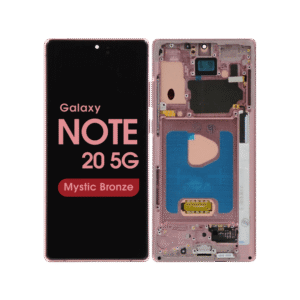
Samsung Galaxy A71 5G OLED Screen Assembly With Frame – Premium Visual and Touch Restoration
Repair your Samsung Galaxy A71 5G (A716V / 2019) with this complete OLED screen assembly. Designed for high contrast, deep blacks, and accurate color reproduction, this part includes the digitizer and pre-installed frame for easier, more secure installation.
Whether your screen is cracked, unresponsive, or completely black, this OEM-style replacement restores your device to like-new visual and touch functionality.
Why Choose This OLED Assembly?
Built specifically for Galaxy A71 5G (A716V – 2019 model)
OLED technology delivers rich colors and power efficiency
Frame included for quicker, cleaner installation
Factory-tested for touch accuracy and display clarity
Ideal for resolving a wide range of screen-related failures
Restore your A71 5G with a reliable, high-quality OLED display solution.
When it comes to smartphone displays, OLED technology is often the gold standard, praised for its perfect blacks, vibrant colors, and energy efficiency. The Samsung Galaxy A71 5G doesn’t just meet these expectations—it exceeds them, bringing a premium visual experience to the mid-range segment. In this in-depth review, we explore what makes the Galaxy A71 5G OLED screen a standout feature and why it might be the perfect display for you.
Unveiling the Specs: What Makes the A71 5G OLED Screen Special?
Samsung didn’t cut corners with the Galaxy A71 5G display. Here’s a breakdown of its key specifications:
-
Display Type: Super AMOLED
-
Size: 6.7 inches
-
Resolution: FHD+ (2400 x 1080 pixels)
-
Refresh Rate: 60Hz
-
Brightness: Up to 800 nits (peak)
-
Features: Always-On Display, HDR10+ support, In-Display Fingerprint Sensor
This combination of specs ensures a sharp, vibrant, and highly responsive viewing experience, whether you’re streaming videos, gaming, or simply browsing social media.
Super AMOLED vs. LCD: Why OLED Wins
Unlike LCD screens (which rely on a backlight), OLED technology allows each pixel to emit its own light. This means when a pixel needs to be black, it turns off completely—resulting in infinite contrast ratios and truly deep blacks. The Galaxy A71 5G OLED screen leverages this advantage beautifully, delivering richer colors and sharper details in both bright and dark environments.
Key Advantages of the Galaxy A71 5G OLED Display
1. Rich, Vibrant Colors
Thanks to Samsung’s Super AMOLED technology, the Galaxy A71 5G screen reproduces colors with stunning accuracy and saturation. Whether you’re watching movies or playing games, visuals pop with life-like intensity.
2. Perfect Blacks and High Contrast
With its ability to turn off individual pixels, the display achieves true blacks. This not only enhances contrast but also makes nighttime viewing easier on the eyes.
3. Always-On Display functionality
The OLED technology enables an energy-efficient Always-On Display feature, showing notifications, time, and battery status without waking the phone.
4. HDR10+ Support
For those who consume high dynamic range (HDR) content, the Galaxy A71 5G OLED screen supports HDR10+, ensuring brighter brights, darker darks, and nuanced visuals in supported apps like YouTube and Netflix.
5. Sleek In-Display Fingerprint Sensor
The screen integrates an optical fingerprint scanner, adding a layer of convenience and modernity to the phone’s security features.
Is There a Downside? Addressing Common Questions
While the Galaxy A71 5G OLED display is impressive, it’s important to address some common concerns:
-
60Hz Refresh Rate: Unlike some competitors offering 90Hz or 120Hz displays, the A71 5G sticks with 60Hz. For most users, this is smooth enough, but avid gamers might notice the difference.
-
Risk of Burn-In: Although modern OLED screens are durable, prolonged display of static elements (like navigation buttons) can eventually cause burn-in. This is rare but worth noting for heavy users.
Gaming and Media Experience on the A71 5G OLED Screen
Whether you’re playing graphic-intensive games or streaming 4K HDR content, the Galaxy A71 5G OLED panel delivers an immersive experience. The large 6.7-inch screen provides ample real estate, while HDR10+ support ensures content looks its best. The lack of a high refresh rate is a minor drawback for gaming but doesn’t detract from the overall quality.
Final Verdict: Who Is This Screen For?
The Samsung Galaxy A71 5G OLED screen is perfect for:
-
Media enthusiasts who want vibrant colors and deep blacks.
-
Everyday users looking for a sharp, responsive display.
-
Those who value battery efficiency, thanks to OLED’s ability to conserve power with dark themes.
If you want a near-flagship visual experience without the flagship price, the Galaxy A71 5G and its stunning OLED display are an excellent choice.
Beyond the Hype: A Technical Deep Dive into the Galaxy A71 5G OLED Screen
In our initial overview, we established that the Galaxy A71 5G OLED screen is a standout feature, bringing flagship-level visual technology to a more accessible price point. But to truly appreciate its brilliance, we need to move past the marketing terms and understand the engineering marvel it represents. This deep dive will explore the “how” and “why” behind this display, examining its performance under pressure, its strategic advantages, and its position in the competitive landscape. We’ll answer the critical question: does the Galaxy A71 5G OLED display truly deliver a premium experience, or are there compromises lurking beneath its vibrant surface?
The Architecture of Brilliance: How Super AMOLED Works
Unlike the LCD (Liquid Crystal Display) technology used in many mid-range phones, the Galaxy A71 5G OLED screen is built on a fundamentally different and more advanced principle.
-
Self-Illuminating Pixels: The core of OLED (Organic Light-Emitting Diode) technology is that each individual pixel generates its own light. When an electrical current passes through the organic compounds that make up each red, green, and blue sub-pixel, they illuminate. This is a radical departure from LCDs, which require a separate white backlight shining through a layer of liquid crystals that act as shutters.
-
The Power of True Black: This fundamental difference is what creates the Galaxy A71 5G OLED screen’s most celebrated feature: perfect black levels. When a pixel needs to display black, it simply turns off. It emits no light whatsoever. This results in an infinite contrast ratio—the difference between the brightest white and the darkest black. On an LCD, the backlight is always on, so “black” is actually a very dark grey, resulting in a milky effect, especially in dark rooms.
-
Samsung’s Super AMOLED Enhancement: Samsung’s proprietary Super AMOLED technology takes this further by integrating the touch sensors directly into the display layer itself, rather than having a separate digitizer layer on top. This makes the Galaxy A71 5G OLED display thinner, more responsive to touch, and reduces glare and reflectivity, improving sunlight readability.
This architectural superiority is the reason why the Galaxy A71 5G OLED screen feels so premium from the moment you turn it on.
The Visual Experience: More Than Just Specs
While the specs—6.7-inch, FHD+, 60Hz—tell part of the story, the real-world performance of the Galaxy A71 5G OLED screen is where it shines.
-
Color Performance: Accuracy vs. Punch Samsung is renowned for its display calibration. The Galaxy A71 5G OLED screen offers multiple color profiles in the settings. The “Vivid” mode pushes the gamut to its limits, providing saturated, eye-popping colors that are perfect for social media content, gaming, and vibrant videos. The “Natural” mode adheres more closely to the sRGB color standard, offering greater accuracy for photographers and videographers who need to see true-to-life colors. This flexibility ensures the display can cater to both the average consumer and the creative prosumer.
-
HDR10+: The Cinematic Advantage The support for HDR10+ is a significant feather in the cap for the Galaxy A71 5G OLED display. HDR (High Dynamic Range) allows content to have a wider range of luminosity levels. In practical terms, this means when you watch supported content on Netflix or YouTube, you see brighter highlights (like sunlight or explosions) and much deeper shadows, all while retaining detail in both areas. The “10+” part means the display can dynamically adjust these levels frame-by-frame, based on metadata embedded in the video, ensuring you see exactly what the director intended. On an OLED, with its per-pixel lighting, HDR content is a genuine treat, offering a experience that LCDs simply cannot match.
-
Sunlight Legibility and Brightness With a peak brightness of around 800 nits, the Galaxy A71 5G OLED screen is more than capable in outdoor conditions. While it may not reach the staggering 1500+ nits of modern flagship OLEDs, it intelligently uses its available brightness to remain clearly visible. Samsung’s software algorithms automatically boost contrast in bright sunlight, making sure text and icons stand out against the glare. This makes the phone perfectly usable for navigation, outdoor photography, and reading messages on a sunny day.
The Intangible Benefits: Features Enabled by OLED
The advantages of the Galaxy A71 5G OLED screen extend beyond just watching movies. It enables core smartphone functionalities that are either impossible or inferior on LCD technology.
-
Always-On Display (AOD): This incredibly useful feature is a direct benefit of OLED technology. Because only the necessary pixels need to be powered on to show the time, date, and notification icons, the rest of the screen remains off and perfectly black. This consumes a negligible amount of battery, providing at-a-glance information 24/7 without needing to wake the entire phone.
-
In-Display Fingerprint Sensor: The sleek, modern design of the Galaxy A71 5G is aided by the optical under-display fingerprint scanner. This technology relies on the display itself to illuminate your fingerprint for recognition. An LCD’s permanent backlight makes this technology more complex and less efficient to implement. The integration here is seamless and adds to the phone’s premium feel.
-
Battery Efficiency (The Dark Mode Advantage): This is a often-overlooked superpower of the Galaxy A71 5G OLED screen. Because black pixels are turned off, using a dark theme or dark mode in apps can lead to significant battery savings. The larger the area of black on the screen, the fewer pixels are drawing power. For a power user, this can easily add extra hours of screen-on time, making the phone’s substantial 4500mAh battery last even longer.
Addressing the Elephant in the Room: Refresh Rate and Burn-In
No review of the Galaxy A71 5G OLED screen is complete without addressing its two most discussed limitations.
-
The 60Hz Refresh Rate: In 2023/2024, a 60Hz display can feel dated to users accustomed to 90Hz or 120Hz screens. The higher refresh rates make every animation and scroll noticeably smoother. This is the primary compromise Samsung made to hit its price point. For many users, the sublime color and contrast of OLED will outweigh the lack of ultra-smooth scrolling. However, for mobile gamers or those who simply love a fluid interface, this is a genuine drawback to consider.
-
The Myth and Reality of Burn-In: Screen burn-in, or image retention, is a potential issue for all OLED displays. It occurs when static elements (like status bar icons, navigation buttons, or a keyboard) are displayed at high brightness for extremely prolonged periods, causing those pixels to degrade slightly faster than the surrounding areas. However, the risk for the average user is low. Samsung employs several software mitigation techniques, like pixel shifting and adaptive brightness, to minimize this risk. For most, with normal mixed usage, the Galaxy A71 5G OLED display will remain pristine for the phone’s entire lifespan.
The Ultimate Verdict: Living with the Galaxy A71 5G OLED Screen
Throughout this deep dive, we’ve dissected the technology, the specs, and the performance of the Galaxy A71 5G OLED screen. We’ve celebrated its infinite contrasts and vibrant colors and acknowledged its 60Hz compromise. But the final, most important question remains: What is it actually like to live with this display day in and day out? And who, in the fiercely competitive smartphone market of today, is it truly for?
This final section moves beyond the technical to the practical. We’ll project the long-term user journey, compare the screen to its modern rivals, and deliver a final, definitive verdict on whether the visual prowess of this OLED panel makes the Galaxy A71 5G a timeless choice or a device whose time has passed.
The Long-Term Relationship: Durability, Burn-In, and Aging
A smartphone is a long-term investment, and a display is its most interacted-with component. How does the Galaxy A71 5G OLED screen hold up over time?

-
Burn-In: A Managed Risk, Not a Certainty: The concern of permanent image retention is the most common fear associated with OLED technology. For the Galaxy A71 5G OLED display, this risk is present but is actively mitigated by sophisticated software. Samsung incorporates features like:
-
Pixel Shift: Subtly moving static on-screen elements by a few pixels over time to prevent any single pixel from being overworked.
-
Adaptive Brightness: Reducing overall brightness levels when static content is detected for extended periods.
-
Navigation Bar Hiding: Encouraging users to use gesture navigation, which eliminates the static navigation bar altogether.
-
For the vast majority of users with normal usage patterns—varied apps, changing content, reasonable screen-on time—the likelihood of noticeable burn-in within the device’s typical 3-4 year lifespan is extremely low. It is primarily a concern for extreme use cases, such as using the phone as a dedicated GPS display for hours every day at max brightness. For everyone else, the Galaxy A71 5G OLED screen will remain visually consistent.
-
Color Consistency Over Time: OLED panels can experience very slight color shifting or a minimal reduction in peak brightness over many years. However, this process is gradual and typically unnoticeable to the average user. The initial world-class calibration of the Galaxy A71 5G OLED screen means it will likely continue to outperform a brand-new, cheaper LCD phone even years down the line.
The Competitive Landscape: How Does It Stack Up Today?
The smartphone market doesn’t stand still. To understand the Galaxy A71 5G OLED screen’s place, we must compare it to its two primary competitors: modern budget OLEDs and high-refresh-rate LCDs.
-
vs. Newer Budget OLED Phones (e.g., Galaxy A54 5G):
Newer iterations in Samsung’s A-series often feature 120Hz OLED screens. Here, the Galaxy A71 5G OLED display shows its age. While its color accuracy, black levels, and peak brightness are still competitive or even superior to some new budget offerings, the lack of a high refresh rate is a tangible deficit in perceived smoothness. The trade-off is that the A71 5G can often be found at a significantly lower price point, making its superb image quality an incredible value. -
vs. High-Refresh-Rate LCD Phones (e.g., many Motorola, Nokia, or older Galaxy A models):
This is the classic “Quality vs. Smoothness” debate. A 90Hz or 120Hz LCD will feel smoother in navigation and gaming. However, it will never match the perfect blacks, infinite contrast, HDR performance, power efficiency in dark mode, or the sleekness of an in-display fingerprint sensor that the Galaxy A71 5G OLED screen provides. For a user who prioritizes media consumption and visual richness above all, the OLED wins every time. For a user who lives for fluid scrolling and fast-paced gaming, the high-refresh LCD might be more appealing.
The Perfect User Profile: Who is the Galaxy A71 5G OLED Screen For?
This display isn’t for everyone, but for its target audience, it is nothing short of perfect.
The Galaxy A71 5G OLED screen is IDEAL for:
-
The Media Enthusiast: This user spends hours streaming Netflix, YouTube, and movies on their phone. For them, the HDR10+ support, perfect blacks, and cinematic color range provide an experience that no LCD can touch. They are the primary beneficiary of this display’s strengths.
-
The Aesthetic Appreciator: This user values the premium feel of a sleek, modern device. The Always-On Display and the in-screen fingerprint scanner contribute to a high-end user experience that feels more advanced than a phone with a rear fingerprint sensor and an LCD with no AOD.
-
The Battery-Conscious Power User: This user understands and leverages the power of dark mode. By using system-wide dark themes and dark-mode apps, they can extract significantly more screen-on time from the 4500mAh battery thanks to the power-saving nature of displaying black pixels.
-
The Value Seeker: This user wants the most premium feel for the least amount of money. They recognize that OLED technology is a marker of a high-end device and are willing to forgo the latest high-refresh-rate trend to get it at a bargain price.
The Galaxy A71 5G OLED screen might NOT be for:
-
The Mobile Gaming Purist: A hardcore mobile gamer who plays fast-paced competitive titles will feel the absence of a 90Hz or 120Hz refresh rate more acutely than the average user. The smoothness advantage would be their higher priority.
-
The Always-Outdoors User: While the screen is bright enough for most situations, someone who consistently uses their phone under direct, bright sunlight might desire the higher sustained brightness levels found on newer flagship OLEDs.
-


Reviews
There are no reviews yet.