
Description
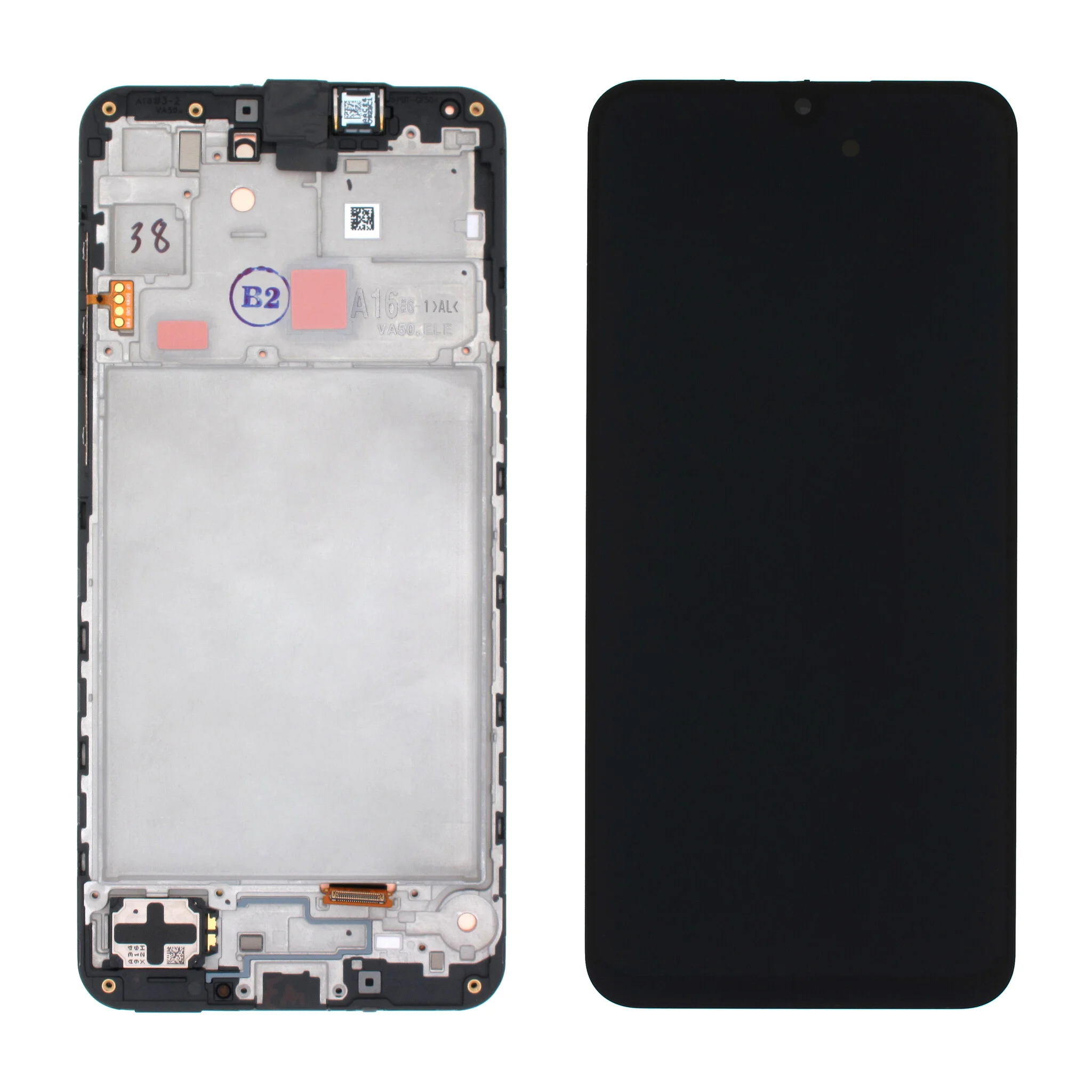
Samsung Galaxy A16 5G OLED Screen Assembly Replacement With Frame – Smooth Visuals & Responsive Touch
Restore your Samsung Galaxy A16 5G (SM-A166 / 2025) to its factory display condition with this premium OLED screen replacement. Designed for users who demand clarity and responsiveness, this high-quality assembly includes a pre-installed frame for easier and faster installation.
Key Features:
Bright & True-to-Life OLED Display – Offers deep blacks, sharp contrast, and vivid colors.
Digitizer & Touch Panel – Ensures fluid, responsive touch input.
With Frame Design – Pre-installed frame simplifies installation and improves durability.
Full Compatibility – Custom-made for the Galaxy A16 5G model (A166 / 2025).
Perfect for Repairs – Fixes cracked glass, display flicker, ghost touch, or black screen.
Whether you’re dealing with accidental damage or a completely unresponsive screen, this replacement part is your go-to solution for a full display revival without compromising on quality.
Galaxy A16 5G OLED Screen: A Complete Guide
When it comes to smartphone experiences, the display is one of the most important components that defines the quality of usage. The Galaxy A16 5G OLED Screen is designed to deliver rich visuals, vibrant colors, and superior clarity, making it a crucial element for both entertainment and productivity. Whether you’re scrolling through social media, streaming movies, or working on the go, this OLED screen ensures that you get an immersive and comfortable experience every time.
In this detailed guide, we’ll explore the features, advantages, replacement process, and maintenance tips for the Galaxy A16 5G OLED Screen, helping users understand why it plays such a critical role in the overall performance of the device.
1. Introduction to the Galaxy A16 5G OLED Screen
The Galaxy A16 5G OLED Screen is built with advanced Organic Light Emitting Diode (OLED) technology. Unlike traditional LCDs, OLED panels don’t require a backlight. Instead, each pixel emits its own light, allowing for deeper blacks, higher contrast ratios, and more energy-efficient operation. This results in a display that is brighter, more colorful, and more responsive to dynamic content.
Samsung has continuously improved its OLED technology over the years, and the Galaxy A16 5G OLED Screen reflects these innovations. With smoother refresh rates, enhanced touch response, and superior outdoor visibility, the screen stands as one of the most defining features of the phone.
2. Key Features of the Galaxy A16 5G OLED Screen
a) High Resolution and Clarity
The Galaxy A16 5G OLED Screen provides users with sharp visuals, making it ideal for high-definition video streaming, gaming, and browsing. Text appears crisp, images are rich in detail, and videos play smoothly without pixelation.
b) Vivid Colors and Contrast
OLED panels are known for their vibrant color reproduction. The Galaxy A16 5G OLED Screen delivers lifelike images with perfect contrast, where blacks look truly black and whites appear bright and clean.
c) Power Efficiency
Because OLED technology allows individual pixels to turn off when not needed, the Galaxy A16 5G OLED Screen consumes less power, extending battery life compared to conventional LCD panels.
d) Smooth Touch Response
The screen offers excellent touch sensitivity, which ensures smooth navigation, accurate typing, and better responsiveness during gaming sessions.
e) Durability and Build Quality
Samsung has engineered the Galaxy A16 5G OLED Screen to be resistant to scratches and everyday wear. With proper care, it can withstand long-term usage without significant decline in performance.
3. Why the Galaxy A16 5G OLED Screen Matters
Your smartphone display isn’t just a piece of glass—it’s your primary interaction point with the device. For the Galaxy A16 5G OLED Screen, this means:
-
A better entertainment experience with cinematic visuals.
-
Enhanced productivity through sharp text and bright displays, even under sunlight.
-
More energy savings, translating to longer device usage per charge.
-
Reduced eye strain thanks to natural colors and adaptive brightness technology.
This makes the screen one of the most important investments when choosing or repairing a smartphone.
4. Common Issues with OLED Screens
Even though the Galaxy A16 5G OLED Screen is designed for durability, no display is completely immune to issues. Some common problems users might face include:
-
Screen cracks or shattering from accidental drops.
-
Dead pixels appearing in certain areas.
-
Screen burn-in from prolonged static images.
-
Touch sensitivity issues due to wear or liquid damage.
-
Fading brightness after long-term use.
When such problems occur, replacing the Galaxy A16 5G OLED Screen becomes necessary to restore the device to its original performance.
5. Galaxy A16 5G OLED Screen Replacement
a) When to Replace
You should consider replacing the Galaxy A16 5G OLED Screen if:
-
The display is cracked or broken.
-
Touch sensitivity is inconsistent.
-
Colors appear washed out or distorted.
-
Brightness has significantly diminished.
b) Professional vs DIY Replacement
While DIY replacement kits exist, the Galaxy A16 5G OLED Screen is best replaced by a professional technician. This ensures proper installation, reduces the risk of further damage, and guarantees the use of genuine replacement parts.
c) Benefits of Replacement
-
Restores the phone’s full functionality.
-
Improves overall user experience.
-
Extends the lifespan of the device.
-
Increases resale value.
6. How to Care for the Galaxy A16 5G OLED Screen
Taking care of the Galaxy A16 5G OLED Screen is essential for long-lasting performance. Some practical tips include:
-
Use a high-quality tempered glass screen protector.
-
Avoid exposing the screen to direct sunlight for extended periods.
-
Keep the display clean with a microfiber cloth.
-
Avoid using sharp objects near the screen.
-
Enable adaptive brightness to prevent screen burn-in.
By adopting these habits, users can significantly prolong the life of their Galaxy A16 5G OLED Screen.
7. Future of OLED Technology in Smartphones
Samsung is constantly pushing the boundaries of OLED technology. Future versions of the Galaxy A16 5G OLED Screen and other models are expected to feature:
-
Even thinner panels for sleeker designs.
-
Improved energy efficiency for extended battery life.
-
Higher refresh rates for ultra-smooth scrolling and gaming.
-
Advanced durability to reduce risks of scratches and cracks.
This commitment to innovation ensures that OLED will remain the gold standard for smartphone displays.
8. Conclusion
The Galaxy A16 5G OLED Screen is more than just a display—it is the heart of the smartphone experience. With its vibrant visuals, energy efficiency, and superior responsiveness, it sets a high standard for mid-range devices.
If your screen is damaged or underperforming, opting for a Galaxy A16 5G OLED Screen replacement can restore your phone to peak performance. With proper care and handling, the OLED screen will continue to deliver an exceptional experience for years to come.
The evolution of smartphone technology has been shaped largely by advancements in display engineering. Over the years, users have transitioned from small monochrome panels to high-definition touchscreens that deliver cinematic experiences in the palm of the hand. Among these breakthroughs, OLED technology has emerged as a standout due to its combination of vibrant visuals, energy efficiency, and flexibility in design. This section takes a closer look at what makes OLED displays so transformative, their advantages over traditional alternatives, and the factors that influence long-term performance.
1. The Fundamentals of OLED Technology
OLED stands for Organic Light Emitting Diode, a display technology that uses carbon-based materials capable of emitting light when an electric current passes through them. Unlike older LCD technology, which requires a separate backlight, OLED panels produce light directly from individual pixels. This design difference brings several unique advantages, including deeper blacks, higher contrast ratios, and improved color accuracy.
Another notable feature of OLED panels is their slim profile. Without the need for bulky backlighting layers, these screens can be manufactured to be much thinner and lighter. This opens the door to sleek designs, edge-to-edge displays, and even foldable devices that were once considered futuristic concepts.
2. Visual Quality and Color Reproduction
One of the most significant benefits of OLED displays is the striking improvement in image quality. Because each pixel is self-illuminating, colors appear more vivid and lifelike. Blacks are truly black since inactive pixels emit no light, while whites shine brighter without the typical grayish haze seen in many LCD panels.
The wide color gamut supported by OLED technology means that images, videos, and games appear closer to how they were originally intended. Whether watching a movie with HDR content or viewing professional photography, users experience enhanced clarity and depth that elevates the overall visual journey.
3. Energy Efficiency and Power Management
Beyond visual quality, power efficiency is another critical strength of OLED panels. Since inactive pixels remain completely off, energy consumption is reduced compared to conventional screens. Dark themes, for example, can extend battery life because fewer pixels are required to illuminate.
Manufacturers often complement OLED technology with intelligent power management systems that adjust brightness and contrast dynamically. This balance between performance and efficiency ensures that users get the best possible visuals without sacrificing long-term battery endurance.
4. Design Possibilities and Innovation
The flexibility of OLED technology has redefined smartphone design. Unlike rigid LCD structures, OLED panels can be curved, bent, or folded while maintaining their functionality. This versatility has enabled manufacturers to experiment with innovative form factors, such as foldable phones and devices with wraparound screens.
Thinner bezels, larger viewing areas, and lighter construction are now possible thanks to the adaptability of OLED panels. For consumers, this means a broader range of stylish devices that cater to different preferences, from minimalist designs to futuristic concepts.
5. Common Challenges and Limitations
While OLED displays provide numerous benefits, they are not without challenges. One well-known issue is screen burn-in, which occurs when static images remain on the screen for extended periods. This leaves behind faint imprints that can affect overall appearance. Although software solutions like adaptive brightness and pixel-shifting help reduce the risk, it remains a factor for long-term use.
Another limitation is durability. OLED panels, while thin and lightweight, are often more fragile than their LCD counterparts. They can be prone to damage from drops or pressure, requiring careful handling and protective accessories such as tempered glass and sturdy phone cases.
Additionally, the cost of producing OLED panels can be higher compared to LCD, which sometimes translates into a higher retail price for devices. However, as the technology becomes more widespread, manufacturing costs are gradually decreasing, making OLED screens more accessible to a broader audience.
6. The User Experience
A display is the primary interface between a user and their device, which means it has a profound impact on day-to-day interactions. From scrolling through social media to engaging in professional tasks, a clear, vibrant screen enhances productivity and enjoyment. OLED panels, with their superior contrast and responsiveness, bring an added layer of immersion.
Gamers particularly benefit from the fast response times offered by OLED technology. Smooth frame transitions and reduced input lag ensure that gaming feels seamless and precise. Similarly, professionals who rely on accurate color reproduction, such as photographers and designers, find these displays invaluable for editing and reviewing work on the go.
For casual users, everyday tasks like watching videos, making video calls, or reading e-books are elevated by the crispness and clarity of the display. Reduced eye strain due to adaptive brightness and natural color tones further adds to the comfort of extended usage.
7. Maintenance and Care Practices
To maximize the longevity of an OLED display, adopting good usage habits is essential. Some effective practices include:
-
Avoiding prolonged static content: Regularly changing wallpapers and using dark mode can minimize the risk of burn-in.
-
Using protective accessories: A tempered glass protector and sturdy case help reduce the likelihood of cracks and scratches.
-
Managing brightness settings: Keeping brightness at moderate levels instead of maximum prevents unnecessary stress on the pixels.
-
Keeping the screen clean: Regular cleaning with a microfiber cloth maintains visibility and reduces smudges without damaging the surface.
By following these guidelines, users can preserve the display’s performance and extend its usability over the life of the device.
8. Repair and Replacement Considerations
Despite the durability improvements made in recent years, no screen is entirely immune to accidents. Drops, pressure, or liquid exposure can cause issues ranging from minor scratches to complete panel failure. In such cases, repair or replacement becomes necessary.
When faced with the decision to replace a display, users should prioritize professional services rather than attempting do-it-yourself solutions. Professional technicians are trained to handle the delicate components and ensure that the new panel integrates seamlessly with the device’s hardware and software. This not only restores functionality but also ensures safety and reliability.
Genuine replacement parts are another critical factor. Using low-quality alternatives may result in reduced performance, inaccurate colors, or decreased durability. Investing in authentic components ensures that the device continues to deliver optimal performance.
9. Environmental Considerations
With millions of smartphones being produced and disposed of each year, the environmental impact of display technology is significant. Recycling damaged panels and encouraging component-level repairs instead of full device replacements play a crucial role in reducing electronic waste.
Manufacturers are increasingly adopting eco-friendly materials and implementing take-back programs to minimize harm to the environment. As awareness grows, users are also encouraged to support recycling initiatives and make conscious choices that contribute to sustainability.
10. The Future of Display Technology
OLED is just the beginning of a broader transformation in how screens are designed and used. Research is actively being conducted on advanced variations such as microLED and graphene-based displays, which promise even higher brightness levels, longer lifespans, and better energy efficiency.
Future devices may feature screens that are not only foldable but also stretchable, opening up entirely new possibilities for form factors. Improved durability, reduced production costs, and enhanced sustainability are expected outcomes of ongoing innovation.
Additionally, integration with artificial intelligence and adaptive technologies will make displays even more intelligent, adjusting in real time to user needs, environmental conditions, and specific applications.
11. Human Perception and Visual Comfort
The Galaxy A16 5G OLED Screen is engineered to align with how the human eye perceives contrast, brightness, and color. With pixel-level light control, this display provides richer blacks and brighter highlights compared to traditional LCD technology. Users notice sharper details when reading text, watching videos, or browsing high-resolution photos. This clarity not only enhances immersion but also reduces the fatigue that often comes with prolonged viewing.
Samsung has also equipped the Galaxy A16 5G OLED Display with blue-light reduction features. This ensures that users can scroll at night or read for extended periods without disrupting their natural sleep cycles. A healthier balance of color warmth and brightness adapts to the time of day, making the screen both visually stunning and comfortable.
12. Ergonomics and User Interaction
A smartphone screen is not just about visuals; it also defines how users interact with their device daily. The Galaxy A16 OLED Screen provides exceptional responsiveness to touch, delivering smooth navigation across apps, websites, and multimedia. Its refresh rate keeps scrolling fluid and makes gaming more responsive, ensuring no lag between input and display.
Viewing angles are another strength of the Samsung Galaxy A16 5G OLED Screen. Whether you’re watching a movie with friends or using GPS while driving, the display maintains consistent brightness and accurate colors, even when tilted. This adds to the ergonomic value, ensuring effortless usability in any environment.
13. Long-Term Value and Ownership Experience
Consumers investing in the Galaxy A16 5G OLED Screen can expect long-term reliability. OLED technology is known for its balance of energy efficiency and vivid color reproduction, making it a practical choice for both casual and heavy users. Even after extended use, the display maintains sharpness, responsiveness, and deep contrast.
For those needing a Galaxy A16 5G OLED Screen Replacement, the aftermarket availability ensures that users can extend the life of their device without needing to purchase an entirely new phone. This reduces electronic waste and allows customers to enjoy premium screen quality at a fraction of the cost of upgrading.
Moreover, the screen elevates the ownership experience by offering a premium look and feel. From crisp video playback to clear video calls, every interaction with the device becomes more enjoyable and professional. Choosing to buy a Galaxy A16 5G OLED Screen means investing in both durability and superior everyday usability.
Expanded Conclusion
The Galaxy A16 5G OLED Display goes beyond being just a panel; it is the heart of the user experience. Combining superior image quality, low power consumption, eye comfort, and responsive interaction, it defines the device’s character. Whether you’re streaming, gaming, reading, or video calling, the screen provides consistency, clarity, and reliability.
As technology evolves, OLED panels like the one in the Samsung Galaxy A16 5G OLED Screen continue to set new standards. For users who prioritize both performance and long-term value, upgrading or replacing with an OLED panel ensures the device remains modern, efficient, and satisfying to use.


Reviews
There are no reviews yet.