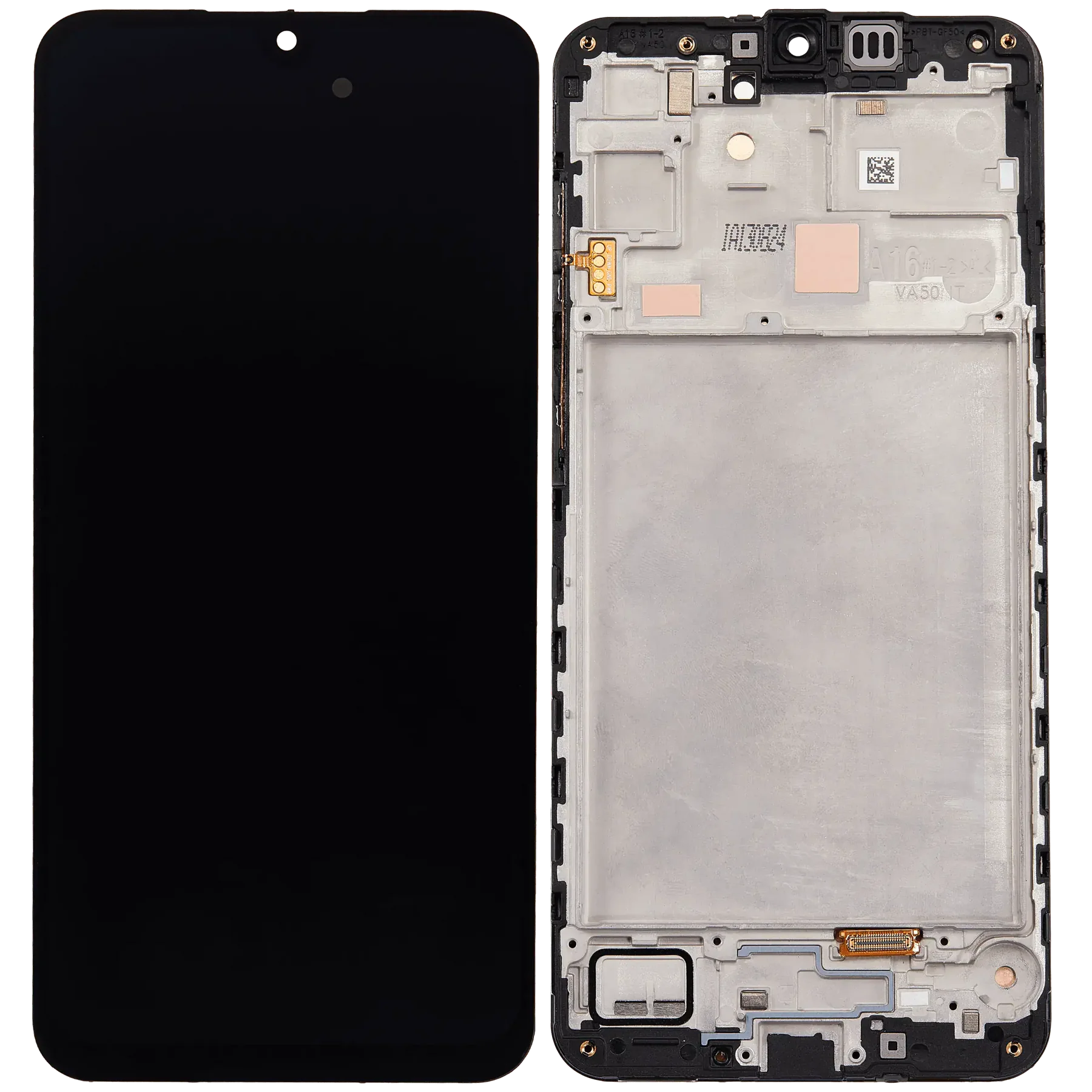

Description
Samsung Galaxy A16 4G OLED Screen Assembly Replacement With Frame – Ultra-Clear Display, Easy Repair
Restore your phone’s original brilliance with this premium OLED screen assembly for the Samsung Galaxy A16 4G. Featuring deep contrast, rich color accuracy, and excellent touch sensitivity, this replacement screen includes the mid-frame for quicker and more secure installation—no need to separate the old frame.
Designed for both technicians and confident DIY users, this part ensures a perfect fit and like-new display quality for the Galaxy A16 4G.
Key Features:
Compatible with Samsung Galaxy A16 4G (A165 / 2025)
OLED technology for sharper visuals and longer life
Includes frame for easier and faster installation
100% factory tested for display clarity and touch performance
Ideal replacement for damaged or non-functional displays
Whether you’re fixing display issues or upgrading from a damaged screen, this high-quality OLED assembly brings your phone back to life.
The Galaxy A16 4G OLED Screen is one of the standout components of Samsung’s mid-range smartphone. Built to deliver vivid colors, sharp contrasts, and immersive visuals, the OLED display makes every task—from browsing the web to watching movies—feel premium. However, as with any smartphone part, accidents or wear can lead to screen damage. For users facing cracks, unresponsive touch, or color distortion, learning about the OLED display and replacement options becomes essential.
This guide will cover everything you need to know about the Galaxy A16 4G OLED Screen, including its features, benefits, performance, common issues, replacement process, and maintenance tips.
1. Understanding the Galaxy A16 4G OLED Screen
Samsung’s use of OLED technology in the Galaxy A16 4G OLED Screen marks a significant leap compared to older LCD panels. OLED (Organic Light Emitting Diode) allows each pixel to emit its own light, resulting in richer colors, deeper blacks, and better power efficiency.
-
Resolution & Clarity: The OLED screen delivers high-definition visuals with sharp details.
-
Brightness: Outdoor readability is strong, even in direct sunlight.
-
Color Accuracy: Users experience lifelike tones ideal for photography, gaming, and streaming.
-
Touch Response: The digitizer is sensitive and responsive, ensuring smooth gestures.
The Galaxy A16 4G OLED screen is not only about aesthetics; it’s engineered to enhance productivity and entertainment while keeping energy usage balanced.
2. Why OLED Screens Outperform LCD
When comparing the Galaxy A16 4G OLED Screen to traditional LCD displays, several benefits stand out:
-
Contrast Ratio – OLED offers true blacks, since pixels turn off completely.
-
Color Depth – A wider gamut ensures more vibrant visuals.
-
Viewing Angles – Unlike LCDs, OLED screens retain clarity even at tilted angles.
-
Thin & Lightweight – The technology allows slimmer devices without compromising quality.
-
Energy Efficiency – OLED consumes less power on darker interfaces, extending battery life.
These qualities make the Galaxy A16 4G OLED Screen a strong choice for users who value immersive display performance.
3. Common Problems with Galaxy A16 4G OLED Screens
Like any smartphone screen, the OLED display is prone to damage or wear. Some frequent issues include:
-
Cracked Screen – Drops and impacts may lead to visible cracks.
-
Unresponsive Touch – The digitizer layer may fail after heavy use or impact.
-
Dead Pixels or Burn-in – Prolonged use can cause image retention or spots.
-
Color Distortion – Incorrect color rendering may result from hardware damage.
-
Screen Flickering – Often caused by internal connection issues.
Recognizing these problems early helps in deciding whether to repair or replace the screen.
4. The Replacement Process
If your Galaxy A16 4G OLED Screen is damaged, replacement becomes the most effective solution. Screen replacement can restore both functionality and aesthetics.
Steps Involved in Replacement:
-
Diagnosis – Ensuring the problem lies within the screen and not the motherboard.
-
Device Disassembly – Carefully removing the back panel and disconnecting components.
-
Screen Removal – The damaged OLED display is detached using heat and specialized tools.
-
New Screen Installation – The fresh OLED screen is installed with adhesive precision.
-
Testing – Checking touch response, brightness, and color accuracy.
-
Reassembly – Closing the device securely while maintaining its original finish.
5. Professional vs DIY Screen Replacement
While some users attempt DIY Galaxy A16 4G OLED Screen replacement, professional repair services are often safer.
-
Professional Replacement
-
Uses genuine parts.
-
Ensures proper installation.
-
Includes warranty coverage.
-
-
DIY Replacement
-
Cheaper but risky.
-
Requires special tools.
-
May void device warranty.
-
Choosing a reliable technician ensures the screen performs as intended.
6. Cost Factors for Galaxy A16 4G OLED Screen Replacement
The cost of replacing a Galaxy A16 4G OLED Screen depends on several factors:
-
Genuine vs Third-party parts
-
Technician expertise
-
Service center location
-
Warranty coverage
While genuine OLED screens cost more, they guarantee longer durability and superior performance compared to cheaper alternatives.
7. Maintaining OLED Screen Longevity
To maximize the lifespan of your Galaxy A16 4G OLED Screen, follow these tips:
-
Use a Screen Protector – Protects against scratches and cracks.
-
Avoid Extreme Temperatures – Heat and cold can damage OLED pixels.
-
Enable Dark Mode – Saves battery and reduces burn-in risks.
-
Keep Brightness Balanced – Avoid prolonged max-brightness usage.
-
Handle Carefully – Use shock-proof cases to prevent accidental drops.
8. The Role of OLED in User Experience
The Galaxy A16 4G OLED Screen transforms how users interact with their smartphones. Whether gaming, streaming, reading, or video calling, the vibrant display ensures a premium experience. The deep contrast ratios and fast refresh rates enhance entertainment, while the energy savings provide longer usage.
9. Environmental Impact of Screen Replacements
Replacing the Galaxy A16 4G OLED Screen instead of discarding the entire device contributes positively to sustainability. Recycling damaged screens and opting for repair minimizes e-waste, aligning with eco-friendly practices.
10. Conclusion
The Galaxy A16 4G OLED Screen is one of the most important components of the device, delivering exceptional visuals, touch response, and energy efficiency. While it’s prone to cracks, burn-in, or touch issues, timely replacement restores its original performance. Choosing professional repair services, maintaining healthy usage habits, and appreciating the advanced OLED technology ensures users continue to enjoy a high-quality mobile experience.
In-Depth Exploration of Display Technology and User Experience
When evaluating modern smartphones, one of the most defining components is the display. It is the element that connects users directly to every function of the device—whether browsing, watching videos, gaming, or working. A well-designed display is more than just a glass panel; it represents a combination of advanced engineering, material science, and visual technology designed to deliver immersion, clarity, and responsiveness.
The Evolution of Displays in Mobile Devices
Over the years, screens have undergone significant transformation. Early mobile devices featured monochrome panels that could only showcase basic text. As technology progressed, color panels emerged, leading to the development of liquid crystal displays. While they served well for years, limitations such as restricted contrast and narrow viewing angles created a demand for alternatives.
Advancements in organic diode technology revolutionized mobile experiences. Instead of requiring a backlight, each pixel began producing its own illumination. This allowed for thinner devices, richer colors, and efficiency improvements. Today, users benefit from panels that rival dedicated televisions and monitors in terms of vibrancy and sharpness.
Visual Performance and Human Perception
A display’s effectiveness isn’t determined only by technical specifications. It also relies on how the human eye perceives contrast, brightness, and motion. For instance, darker pixels in advanced panels can appear truly black, which creates a striking difference between light and dark areas on the screen. This is particularly important for immersive experiences such as movie watching, where shadow details matter.
Brightness plays a critical role in outdoor usage. When sunlight directly hits a device, a poorly designed screen can look washed out or unreadable. With modern engineering, enhanced brightness levels and anti-reflective coatings improve visibility, allowing users to comfortably read or interact even under challenging lighting conditions.
Touch Responsiveness and Interactivity
Beyond visual quality, the touch layer integrated into the display determines how smooth interactions feel. When scrolling, swiping, or typing, users expect instant responses without noticeable delay. High refresh rates and low latency technology ensure that the display keeps pace with finger movements, creating a seamless connection between human input and digital output.
The importance of responsiveness extends to gaming, where a fraction of a second delay can impact performance. Precision touch input allows players to enjoy competitive titles without disruptions, demonstrating how the display has evolved from a passive viewing component into an active interactive interface.
Durability and Daily Usage
While modern panels provide excellent clarity and responsiveness, durability remains an area of concern. Drops, scratches, and accidental impacts are among the most common reasons people seek repairs. Manufacturers address these risks by incorporating chemically strengthened glass, protective coatings, and flexible materials that absorb shock more effectively.
Additionally, protective accessories such as tempered glass layers and shock-resistant cases reduce the likelihood of damage. Many users adopt these preventive solutions not only to preserve functionality but also to maintain the pristine look of their devices.
Energy Consumption and Efficiency
One of the major benefits of advanced panel technology is power efficiency. Since each pixel can independently emit light, darker interfaces often consume less energy. This aligns with software features such as night themes and dimmed settings, which not only enhance comfort for the eyes but also extend battery life.
Compared to older technologies, these improvements enable longer device usage on a single charge, allowing people to enjoy streaming, productivity, or gaming without worrying about frequent recharging.
Color Accuracy and Content Creation
For photographers, designers, and content creators, color accuracy is crucial. A display that exaggerates tones may look appealing but fails in professional contexts where true-to-life reproduction is required. Calibration technologies have improved significantly, ensuring that modern panels reproduce colors with high fidelity.
This accuracy means users can edit images, watch movies as intended by directors, or enjoy artwork in digital form without distortion. The ability to balance vividness with realism elevates the overall experience.
Viewing Angles and Shared Experiences
Another aspect that contributes to usability is how well the display maintains quality when viewed from the side. Inferior screens often appear dimmer or distorted when not viewed directly. Modern technology minimizes this issue, enabling multiple people to watch videos or view photos together without compromising clarity.
This feature is especially useful for collaborative work, family entertainment, or group gaming sessions, where the display serves as a shared hub for interaction.
The Emotional Connection with Displays
Displays influence how people emotionally connect with their devices. A vibrant, smooth, and responsive panel makes daily usage more enjoyable, while a dull or unresponsive one creates frustration. The moment users unlock their device, the display sets the tone for the overall experience, making it one of the most valued aspects of modern smartphones.
A well-designed screen also contributes to personalization. Features such as adaptive brightness, custom themes, and vivid mode adjustments allow individuals to tailor the look according to their preferences, deepening the sense of ownership.
Repair and Replacement Considerations
Despite advancements, accidents and malfunctions remain common. Cracks, dead pixels, or unresponsive touch layers often require repair or replacement. While this process can restore full functionality, it also highlights the delicate nature of advanced display technology.
Choosing professional services ensures that replacements meet original quality standards, whereas opting for cheaper alternatives can lead to reduced performance. Proper handling, combined with preventive measures, helps extend the display’s lifespan and minimizes the need for costly repairs.
The Future of Display Innovation
The journey of display technology is far from over. Research is currently focused on flexible panels, foldable designs, and transparent screens. These innovations promise even more versatile and futuristic experiences. For instance, foldable devices allow a compact form factor to transform into a tablet-sized interface, merging portability with productivity.
Additionally, advancements in refresh rates, energy efficiency, and durability will continue to refine user satisfaction. Displays of the future may adapt dynamically to lighting conditions, provide improved haptic feedback, or integrate seamlessly with augmented and virtual reality applications.
Daily Habits for Preserving Screen Quality
Users can adopt simple habits to keep their displays in prime condition:
-
Avoid prolonged exposure to maximum brightness.
-
Clean with microfiber cloths instead of abrasive materials.
-
Use protective accessories to guard against scratches and drops.
-
Enable adaptive brightness to reduce strain and extend lifespan.
-
Avoid leaving static images for long periods to prevent image retention.
These small adjustments contribute significantly to preserving quality and usability over time.
Social and Environmental Impact
Repairing and maintaining displays instead of discarding devices contributes positively to environmental sustainability. E-waste is a growing concern worldwide, and extending the life of components reduces overall impact. Additionally, recycling damaged panels and responsibly disposing of electronic waste aligns with global initiatives for a greener future.
From a social perspective, the importance of a functional display extends beyond entertainment. For many, it represents a gateway to education, communication, and work. Ensuring access to durable and reliable screens plays a role in bridging digital divides and fostering connectivity.
Galaxy A16 4G OLED Screen – Ultimate Display Experience
The Samsung Galaxy A16 4G OLED Screen represents a perfect balance of technology, clarity, and durability. For smartphone users, the screen is not just a viewing tool but the main medium of interaction, whether it’s watching videos, playing games, scrolling through social media, or managing daily tasks. With OLED technology, the Galaxy A16 4G display offers stunning visuals, immersive colors, and smooth performance that elevates the overall user experience.
Superior Visual Quality with OLED Technology
The Galaxy A16 4G OLED screen replacement provides exceptional brightness and sharpness, ensuring content looks vivid and lifelike. OLED panels are known for their self-illuminating pixels, meaning each pixel can turn on or off independently. This results in true blacks, high contrast ratios, and richer colors compared to traditional LCD displays.
Whether you are streaming your favorite series, editing photos, or browsing the web, the Samsung Galaxy A16 4G OLED screen ensures every detail is crystal clear. From bright outdoor conditions to dimly lit environments, this display adapts to deliver uncompromised quality.
Responsive Touch Performance
In today’s fast-paced world, responsiveness matters as much as visuals. The Galaxy A16 4G OLED screen integrates a highly sensitive touch layer that reacts instantly to swipes, taps, and gestures. This makes gaming smoother, typing faster, and scrolling more natural.
When replacing a damaged screen, opting for the Galaxy A16 4G OLED screen replacement guarantees that users regain full touch functionality without lags or delays.
Durability and Protection
Smartphone displays face daily risks such as drops, scratches, and accidental impacts. The Samsung Galaxy A16 4G OLED screen is designed with durability in mind, featuring toughened glass and advanced coatings to minimize wear. However, accidents still happen, which is why Galaxy A16 4G OLED screen repair and replacement services are essential to keep devices looking and functioning like new.
Energy Efficiency
One of the main advantages of OLED technology is its energy-saving design. Since pixels generate their own light, darker themes or night modes use less battery power. The Galaxy A16 4G OLED display not only enhances viewing comfort but also helps extend battery life — a major advantage for heavy users.
When to Consider a Screen Replacement
If your device suffers from cracks, unresponsive touch, flickering, or dead pixels, it’s time to consider a Samsung Galaxy A16 4G OLED screen replacement. Using genuine or high-quality replacement parts ensures that your phone regains its original performance and visual quality. Professional services specializing in Galaxy A16 4G screen repair can restore the device quickly and effectively.
Benefits of Choosing OLED Replacement
-
High Brightness & Contrast – Vivid visuals under all conditions.
-
True Black Technology – Each pixel turns off independently.
-
Faster Response Times – Ideal for gaming and video playback.
-
Power Efficiency – Reduced battery consumption.
-
Durability – Strong glass protection against scratches and shocks.
Choosing an OLED screen replacement for Galaxy A16 4G guarantees long-lasting performance while maintaining the premium feel of your device.
Care and Maintenance Tips
To keep the Samsung Galaxy A16 4G OLED screen in top condition:
-
Always use a screen protector.
-
Invest in a shockproof case.
-
Clean the display with a microfiber cloth.
-
Avoid placing the device in extreme heat or direct sunlight.
-
Use professional repair services for Galaxy A16 4G screen replacement.
By following these tips, you can maximize the lifespan of your display and maintain the vibrant quality that OLED technology offers.
Why Choose Professional Screen Replacement
While DIY kits are available, attempting to replace the Galaxy A16 4G OLED screen without expertise can lead to further damage. Professional technicians ensure proper installation, touch calibration, and durability. Using authentic parts is key to preserving the original experience and avoiding future complications.



Reviews
There are no reviews yet.