Description
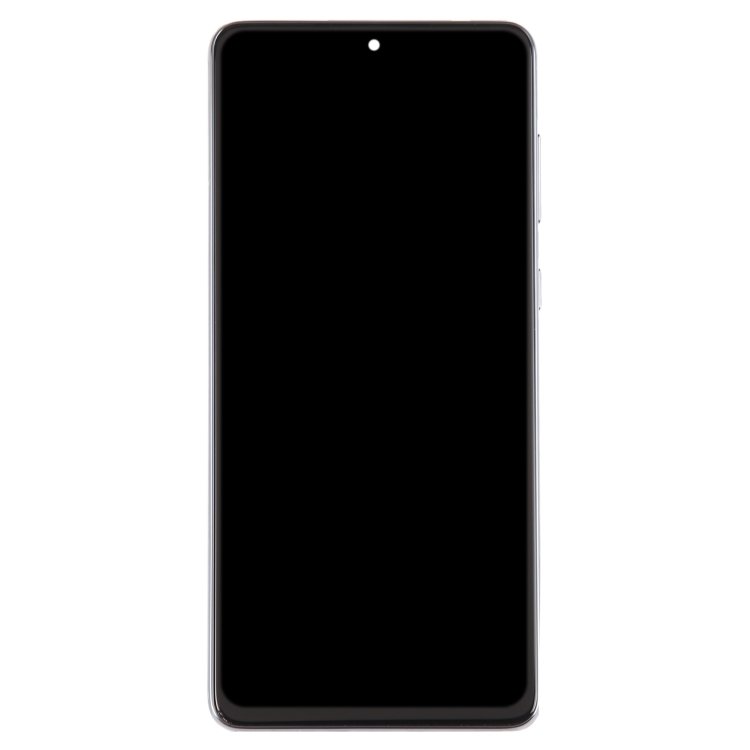
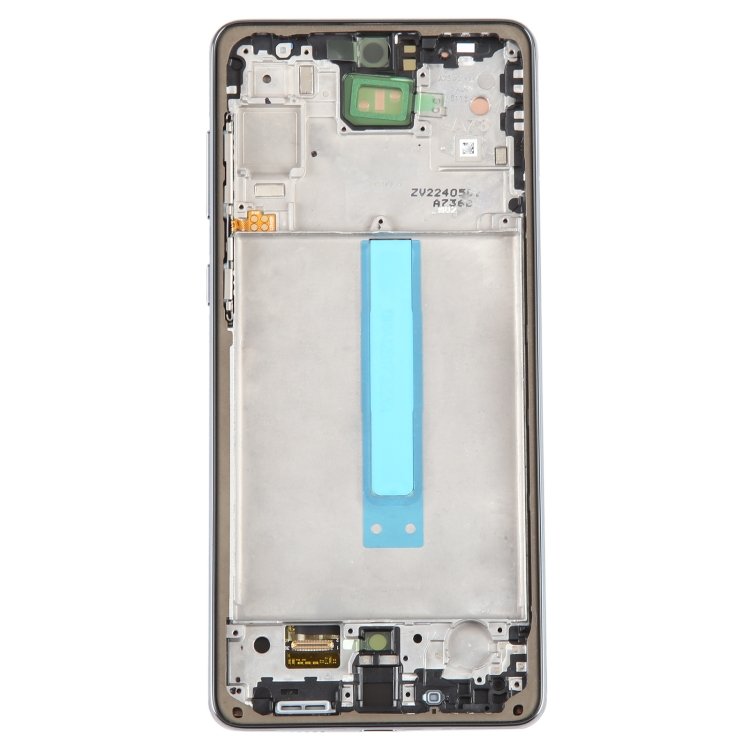
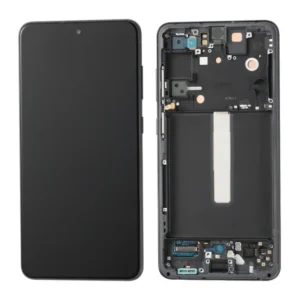
Samsung Galaxy A73 5G LCD Screen Assembly Replacement With Frame – Bright, Responsive, and Reliable
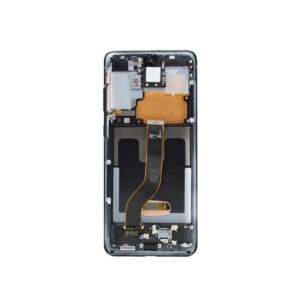
Bring your Samsung Galaxy A73 5G (A736 / 2022) back to life with this high-quality LCD screen replacement. Featuring a full-screen assembly pre-installed with frame, this part offers smooth touch performance, clear visuals, and a seamless fit, making repairs quicker and easier.
Key Features:
100% compatible with Samsung Galaxy A73 5G (Model A736)
Includes LCD display, digitizer, and pre-attached frame
Crisp resolution and excellent touch sensitivity
Ideal replacement for cracked, unresponsive, or faulty displays
Factory tested for performance and durability
Whether you’re fixing a broken screen or upgrading a fading one, this LCD assembly ensures your phone looks and feels brand new again.
When you think of a premium smartphone experience, your mind might immediately jump to vibrant OLED panels with their perfect blacks and explosive contrast. However, the technology behind Liquid Crystal Displays (LCDs) has advanced tremendously, and the screen on the Samsung Galaxy A73 5G is a masterclass in how a modern LCD can deliver a stunning, top-tier viewing experience. It proves that you don’t always need an OLED to enjoy a fantastic display.
This in-depth analysis will explore every facet of the Galaxy A73 5G’s LCD screen. We’ll break down its specifications, real-world performance, and how it stands as a cornerstone of this phone’s incredible value proposition.
Unveiling the Specs: What Makes the A73 5G Screen Tick?
Before we get into how it feels to use, let’s look at the raw numbers that define this display. Samsung didn’t cut corners here, equipping the A73 with a screen that rivals many more expensive phones.
-
Display Type: Super AMOLED Plus (A Common Misconception)
-
It’s crucial to address this upfront. Many users and even some retailers mistakenly label the A73 5G’s screen as a Super AMOLED. However, the official specifications from Samsung confirm it uses a Super AMOLED Plus panel. Historically, the “Plus” designation from Samsung has referred to advanced LCD technology with enhanced colour and brightness, not a traditional OLED. In essence, it is a high-end, Samsung-optimized LCD. This distinction is important for managing expectations, but as we’ll see, it’s in no way a negative.
-
-
Size and Resolution: 6.7-inch FHD+
-
The expansive 6.7-inch screen offers an immersive canvas for everything from streaming movies to browsing the web. With a resolution of 2400 x 1080 pixels (FHD+), it achieves a sharp 393 pixels per inch (PPI). This ensures that text is crisp, icons are well-defined, and you’d be hard-pressed to spot individual pixels during normal use.
-
-
Refresh Rate: 120Hz Smoothness
-
This is the star of the show. The 120Hz refresh rate means the screen refreshes its image 120 times per second, which is double the standard 60Hz found on older phones. The result is an interface that feels incredibly fluid, smooth, and responsive. Scrolling through social media feeds, web pages, and even the app drawer is a buttery-smooth experience that, once you’re used to it, is difficult to go back from.
-
-
Brightness: Up to 800 nits (High Brightness Mode)
-
With a peak brightness of 800 nits, this display is more than capable of handling bright outdoor sunlight. While it may not reach the extreme peaks of some flagship OLEDs, it is exceptionally bright for an LCD. You’ll have no trouble viewing your content clearly on a sunny day. The adaptive brightness feature also works well to adjust the screen for comfortable viewing in dimmer environments.
-
-
Other Key Features:
-
Vision Booster: This is Samsung’s proprietary technology that intelligently enhances contrast and colour in bright outdoor conditions, ensuring the screen remains readable and vibrant even under harsh glare.
-
Eye Comfort Shield: This feature reduces blue light emissions based on the time of day or a custom schedule, helping to minimize eye strain and potentially improve sleep quality.

-
Super AMOLED Plus vs. Traditional OLED: What’s the Difference?
This is the heart of the discussion. Why would Samsung use this technology in a phone that sits just below its flagship range? The answer lies in a balance of performance, cost, and durability.
-
How It Works:
-
A traditional OLED (or Super AMOLED) display has pixels that produce their own light. Each pixel can be turned on or off individually, leading to those famous infinite contrast ratios and true blacks.
-
The A73’s Super AMOLED Plus LCD screen uses a backlight. A layer of liquid crystals acts as a shutter, blocking or allowing light from this backlight to pass through to create the image. Advanced technologies are used to control this light more precisely than on older LCDs.
-
-
The Advantages of This LCD:
-
Cost-Effectiveness: This is the primary reason. Using a high-end LCD allows Samsung to include other premium features like a 108MP camera, powerful processor, and large battery while keeping the phone at a competitive price point.
-
Reduced Risk of Burn-In: While modern OLEDs are much more resilient, static images displayed for extremely long periods can still cause temporary image retention or permanent burn-in. LCDs are virtually immune to this issue, making them a dependable choice for long-term use.
-
Excellent Brightness: As noted, this LCD gets very bright, mitigating one of the traditional weaknesses of LCDs compared to OLEDs.
-
-
The Trade-Off:
-
Contrast and Blacks: This is the most noticeable difference. Because the backlight is always on, blacks on an LCD appear as very dark grey rather than true black. In a dark room, this can be apparent, especially when viewed next to an OLED phone. However, the high contrast ratio of the A73’s panel means this effect is minimized and, for most users, is not a significant drawback.
-
Real-World Performance: How Does It Feel to Use?
Specs on paper are one thing, but daily usage is what truly matters. The Galaxy A73 5G’s display excels in virtually every scenario.
-
Media Consumption: Watching movies and YouTube videos on this screen is a joy. The colours are vibrant and accurate (especially in the Vivid mode), the high brightness makes HDR content pop, and the 6.7-inch size is perfect for immersion. The 120Hz refresh rate isn’t used in most video content (which is typically 24 or 30fps), but it makes navigating streaming apps incredibly smooth.
-
Gaming: For mobile gamers, the 120Hz display is a game-changer—literally. Supported games run with unparalleled smoothness, making fast-paced action titles like Call of Duty: Mobile or Asphalt 9 feel more responsive and fluid. The touch sampling rate is also high, meaning the screen registers your taps and swipes quickly, giving you a competitive edge.
-
Reading and Browsing: The high pixel density makes reading text a pleasure, with no jagged edges on fonts. Scrolling through long articles or documents is effortless thanks to the 120Hz smoothness, reducing eye strain during long reading sessions.
-
Outdoor Visibility: Thanks to the 800-nit peak brightness and the Vision Booster technology, the screen remains usable and clear even under direct sunlight. It automatically adjusts its tone mapping to boost contrast, so you don’t have to squint or cup your hand over the phone to see your GPS directions or a text message.
Is the LCD a Deal-Breaker? Addressing Common Concerns
For shoppers comparing the A73 5G to phones with OLED displays, a few questions always come up.
-
“Will the blacks look grey?” In a side-by-side comparison with a high-end OLED in a dark room, yes, you will notice the difference. However, when using the A73 5G on its own, the display is so high-quality that most users will not find it lacking. The deep blacks are more than acceptable for all but the most discerning videophiles.
-
“Is it less power-efficient than OLED?” Traditionally, yes, because the entire backlight must be powered even if the screen is showing a mostly black image. However, Samsung has implemented efficient backlight control, and the phone’s massive 5,000mAh battery easily powers through a full day—and often much more—even with the 120Hz mode enabled. Any efficiency difference is effectively negated by the huge battery capacity.
-
“Does it look cheap?” Absolutely not. This is not a budget LCD. The colours are rich, the brightness is excellent, and the smoothness is top-tier. Unless someone tells you it’s an LCD, you’d likely just assume it’s a very high-quality display.
In our initial exploration, we established that the Galaxy A73 5G LCD screen is a sophisticated piece of technology that defies outdated preconceptions about LCD panels. But to truly appreciate its value, we must move beyond the spec sheet and into a detailed analysis of its performance, its strategic role in Samsung’s lineup, and how it stands as a benchmark for what a modern LCD smartphone display can achieve. This deep dive will solidify why the Galaxy A73 5G LCD is a defining feature, not a drawback, for this incredibly popular mid-range device.
The Technology Deep Dive: How Samsung’s “Super AMOLED Plus” LCD Works
Understanding the mechanics behind the Galaxy A73 5G LCD screen reveals why it performs so well. Unlike an OLED where pixels are self-emissive, this LCD uses a complex layered system:
-
The Backlight Unit (BLU): This is the foundational layer. A grid of LEDs provides the uniform light source that illuminates the entire screen. The quality of this backlight is crucial; a poor one leads to uneven lighting (“clouding”) and poor brightness. The Galaxy A73 5G LCD uses a high-quality, multi-zone capable backlight that can be precisely controlled.
-
The Liquid Crystal Layer: Sitting atop the backlight is a layer of liquid crystals sandwiched between two polarizing filters. These crystals act like tiny shutters. When an electric current is applied from the TFT (Thin-Film Transistor) layer, they twist and untwist to varying degrees, either blocking or allowing light from the backlight to pass through.
-
The Color Filter: This layer is responsible for creating the vibrant colours you see. It contains sub-pixels of red, green, and blue (RGB). By allowing precise amounts of white light from the backlight to pass through these coloured filters, the Galaxy A73 5G display can produce millions of accurate colours.
-
The “Plus” in Super AMOLED Plus: Samsung’s branding hints at technological enhancements that elevate this beyond a standard LCD. This typically includes:
-
Advanced Polarizers: These reduce light reflection significantly, which is a key part of the Vision Booster technology. This allows the screen to remain readable outdoors without needing to ramp the backlight to its absolute maximum at all times, saving battery.
-
Precision Calibration: Out of the box, the Galaxy A73 5G LCD is meticulously calibrated for colour accuracy. Users can choose between “Vivid” (for a more saturated, punchy look) and “Natural” (for sRGB accuracy) modes, a feature once reserved for flagships.
-
This intricate dance between a powerful backlight, precisely controlled liquid crystals, and advanced filters is what allows the Galaxy A73 5G LCD screen to deliver such a compelling visual experience, challenging the notion that only OLED can provide premium quality.
The 120Hz Advantage: A Game-Changer for the LCD Galaxy A73 5G
The single most transformative feature of the Galaxy A73 5G LCD is its 120Hz refresh rate. This is where the phone truly modernizes the LCD experience and leaves older 60Hz displays in the dust.
-
Fluidity in Every Interaction: Every single interaction with the phone is smoother. Scrolling through your Instagram feed, browsing a long web article, or swiping between home screens is rendered with buttery smoothness that feels immediate and responsive. This reduces perceived lag and makes the entire device feel more high-end and powerful.
-
A Boon for Gamers: For mobile gamers, the Galaxy A73 5G LCD screen with 120Hz is a significant advantage. Games that support high refresh rates (like Call of Duty: Mobile, Genshin Impact, and Asphalt 9) benefit from dramatically smoother animation and more responsive controls. The visual clarity in fast-moving scenes is superior, which can genuinely improve gameplay performance. The consistent and bright image of an LCD can also be preferable for long gaming sessions compared to OLED’s Pulse-Width Modulation (PWM), which can cause eye strain for some sensitive users.
-
Intelligent Adaptive Refresh: To manage the potential battery drain of a constantly high refresh rate, Samsung employs intelligent software. The Galaxy A73 5G display can dynamically switch between 60Hz and 120Hz based on the content you’re viewing. When you’re watching a 24fps video or looking at a static image, it drops down to save power. The moment you touch the screen to scroll, it instantly jumps back to 120Hz. This smart management is key to enjoying fluidity without sacrificing the phone’s legendary battery life.
Durability and Longevity: The Unsung Hero of the LCD Choice
One of the most compelling, yet often overlooked, advantages of the Galaxy A73 5G LCD screen is its inherent durability and reliability over time.
-
No Risk of Screen Burn-In: This is the paramount advantage. OLED screens, over very long periods, can suffer from “burn-in” or image retention, where faint ghosts of static elements (like navigation buttons or status bar icons) become permanently visible. This is caused by the uneven aging of the organic pixels. The Galaxy A73 5G LCD screen is completely immune to this phenomenon. The liquid crystals and backlight age uniformly, meaning the display will look as consistent in three years as it does on day one. This makes it an excellent choice for power users, those who use navigation apps frequently, or anyone who plans to keep their phone for an extended period.
-
Robustness: While both LCD and OLED screens are susceptible to cracking from impacts, the structure of an LCD can sometimes be slightly more resilient to minor pressure points. The multiple layers provide a distributed strength. Furthermore, the cost of a potential Galaxy A73 5G LCD replacement is typically—and significantly—lower than an OLED panel repair, making long-term ownership less costly.
Strategic Positioning: Why Samsung Chose an LCD
Samsung is the world’s leading producer of OLED panels, so the choice to use a high-end LCD in the Galaxy A73 5G was a deliberate and strategic decision to create a perfectly balanced product.
-
Cost Allocation: By utilizing a sophisticated but cost-effective LCD smartphone display, Samsung freed up the budget to include other flagship-level features that customers value more in this segment:
-
A 108MP high-resolution camera system.
-
A robust Qual Snapdragon 778G 5G processor.
-
A massive 5000mAh battery with fast charging.
-
An IP67 water and dust resistance rating.
This holistic approach means you get a fantastically well-rounded device without any single component feeling glaringly weak.
-
-
Market Differentiation: It clearly differentiates the A73 from the flagship S-series (which uses Dynamic AMOLED 2X) while still offering a superior experience to more budget-oriented A-series models with lower-end screens. It creates a compelling “sweet spot” in the market.
After a thorough examination, the narrative around the Galaxy A73 5G LCD screen is clear: it is not a weakness but a cornerstone of the device’s value proposition. Samsung did not use an LCD to cut costs but to make a strategic choice that benefits the user in key, practical ways.
This display excels in delivering a premium experience where it matters most: in buttery-smooth 120Hz fluidity, exceptional brightness for outdoor visibility, and vibrant, well-calibrated colours. It powers a fantastic media consumption and gaming experience, all while being utterly reliable and immune to the burn-in that can plague OLED panels over time.
So, who is the perfect user for this screen?
-
The Value-Conscious Power User: You want a high-refresh-rate experience and flagship-like features without the flagship price tag. You appreciate the balance struck between performance, camera, and battery life.
-
The Long-Term Keeper: If you plan to use your phone for several years, the durability and consistency of the Galaxy A73 5G LCD are major assets. You won’t have to worry about degrading image quality or permanent burn-in from static elements.
-
The Outdoor Enthusiast: With its high peak brightness and Vision Booster technology, this screen is perfectly suited for those who frequently use their phone in sunlight for navigation, photography, or communication.
In conclusion, the Galaxy A73 5G demonstrates that a brilliantly executed LCD can effectively rival OLED in daily use. It is a testament to the idea that the best technology is not always the most expensive, but the most intelligently implemented. For anyone seeking a top-tier, all-around smartphone experience, the display on the A73 5G isn’t just adequate—it’s a compelling reason to buy.
-
-

Reviews
There are no reviews yet.