Description
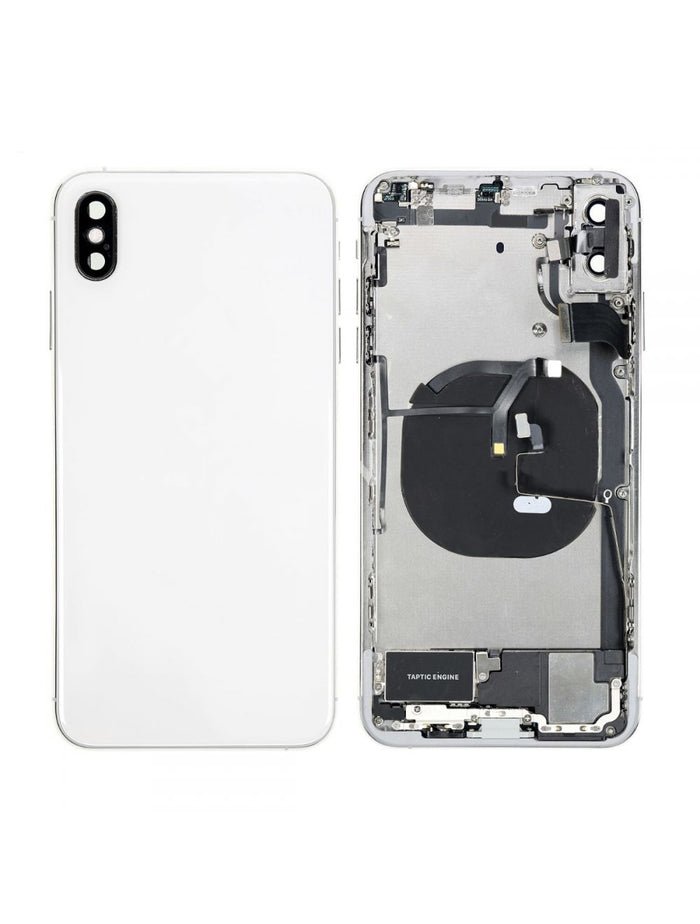
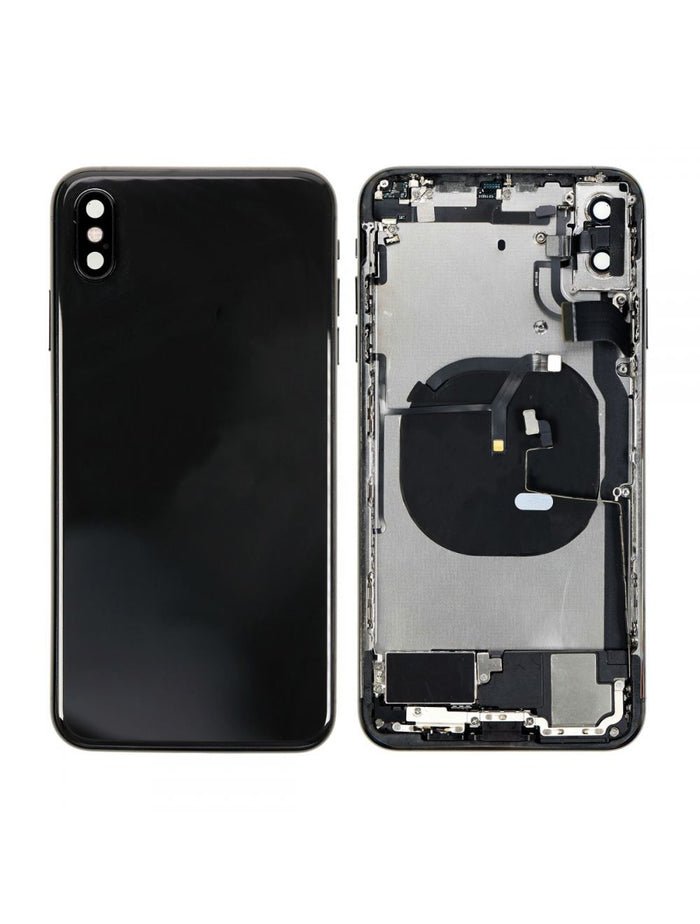
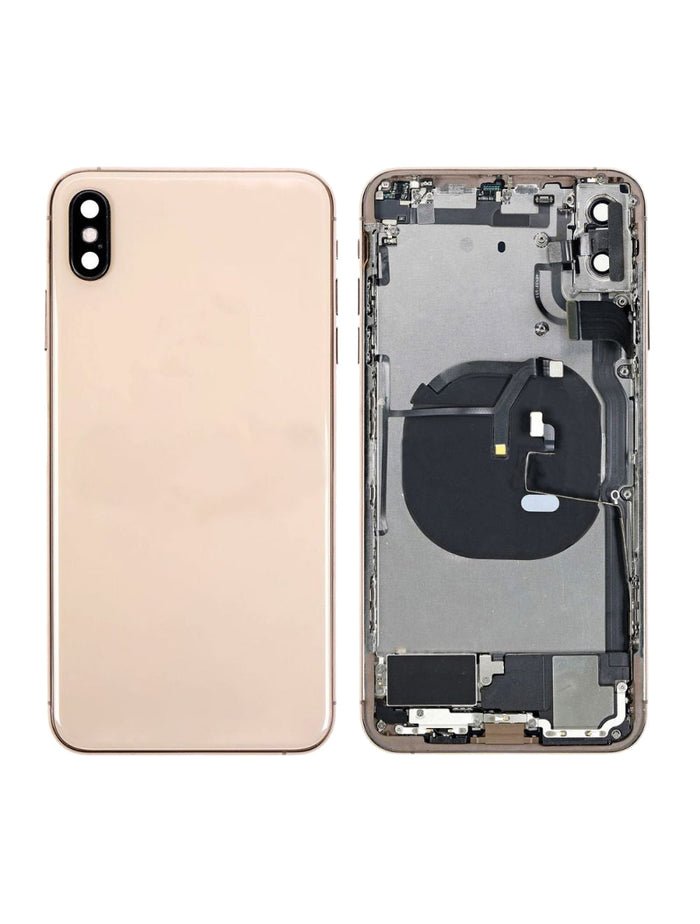
iPhone XS Max Back Glass Replacement (No Logo) – Sleek Finish, Clean Look
Refresh your iPhone XS Max Back Glass with this high-quality back glass replacement, designed without the Apple logo for a minimalist and discreet look. Whether your device has suffered from cracks, scratches, or broken glass, this panel restores both protection and style.
Engineered to match the size and contour of the original part, this replacement ensures a precise fit and supports wireless charging. It’s ideal for professional repairs or DIY users who prefer a logo-free finish while maintaining full functionality.
Why Choose Our iPhone XS Max Back Glass Replacement (No Logo)?
Logo-free design for a clean, minimal appearance
OEM-quality glass with scratch and shatter resistance
Full compatibility with wireless charging
Perfect fit for all iPhone XS Max Back Glass variants
Great option for custom repairs or non-branded replacements
Give your iPhone XS Max Back Glass a sleek, refreshed look with this durable and logo-free back glass panel.
The iPhone XS Max Back Glass remains one of Apple’s most iconic smartphones, blending premium design with powerful performance. One of its most eye-catching features is the glass back panel, which gives the device a sleek and luxurious look while enabling advanced features like wireless charging. However, as stunning as the back glass is, it is also one of the most fragile components of the phone. Even with careful use, accidental drops or bumps can leave the back glass cracked, scratched, or completely shattered.
If you own an iPhone XS Max Back Glass and are dealing with back glass damage, you are not alone. Thousands of iPhone users encounter the same problem each year because the glass is both a functional and aesthetic element of the device. The good news? Replacing the back glass is absolutely possible, whether you choose a professional repair service or attempt a DIY replacement.
In this comprehensive guide, we will cover everything you need to know about the iPhone XS Max Back Glass:
-
Why the back glass is an essential part of the design
-
Common problems that occur with it
-
Replacement options (OEM vs aftermarket)
-
Step-by-step repair overviews
-
Costs involved in professional vs DIY repair
-
Where to buy high-quality replacement panels
-
Tips to protect your new back glass for long-term use
Whether you’re a smartphone repair enthusiast, someone researching repair costs, or simply looking for the best way to restore your iPhone XS Max Back Glass, this article will provide clear, SEO-friendly, and practical insights.
Why This Guide Matters
Many users are hesitant about back glass replacement because they believe it’s either too expensive or too complicated. While Apple’s official repair services are known for their quality, they can also be costly. On the other hand, cheaper local repair options or aftermarket parts may save you money but can compromise on durability. Our goal here is to give you all the facts and comparisons, so you can make the right choice based on your budget and needs.
By the end of this guide, you’ll not only understand the importance of the iPhone XS Max Back Glass back glass but also know exactly what steps to take if yours needs replacement.
Design & Importance of iPhone XS Max Back Glass
When Apple released the iPhone XS Max Back Glass in September 2018, it was more than just another smartphone launch — it was a statement of luxury, innovation, and craftsmanship. At the heart of its design was the back glass panel, a feature that combined elegance with technology in a way few devices had achieved before. While many users only notice its glossy finish and premium feel, the back glass of the iPhone XS Max Back Glass serves multiple purposes: from aesthetics and ergonomics to wireless charging and connectivity.
In this section, we’ll take a deep dive into the materials, design decisions, advantages, and importance of the iPhone XS Max Back Glass back glass, and why it continues to be one of the defining features of the device.
Premium Materials & Craftsmanship
Apple has always set benchmarks in smartphone design, and with the iPhone XS Max Back Glass, it pushed boundaries further. The back glass is made using a chemically strengthened process, designed to resist scratches, scuffs, and minor impacts better than traditional glass. Apple described it as “the most durable glass ever used in a smartphone” at the time of launch.
This glass was not just about durability — it was also about tactile experience. The polished surface feels smooth in the hand, making the iPhone XS Max Back Glass comfortable to hold despite its large 6.5-inch display. The glass also allowed Apple to achieve a more vibrant color finish compared to metal or plastic backs. Available in Gold, Silver, and Space Gray, each version had a depth and richness that gave the device a distinctly high-end look.
The choice of glass also aligned with Apple’s broader philosophy: to create a product that is as much a fashion statement as it is a technological tool. Holding an iPhone XS Max Back Glass is not just about using a phone — it’s about owning a piece of modern luxury.
Why Apple Chose Glass Over Metal
Prior to the iPhone XS Max Back Glass iPhone 8 series, Apple primarily used aluminum backs in its smartphones. Aluminum was strong, lightweight, and scratch-resistant, but it limited Apple in a few critical ways. By moving to glass backs, starting with the iPhone XS Max Back Glass 8 and continuing with the iPhone XS Max Back Glass, Apple unlocked new possibilities.
-
Wireless Charging – Perhaps the biggest reason for switching to glass was to enable Qi wireless charging. Metal backs interfere with inductive charging, while glass allows energy transfer through electromagnetic fields. iPhone XS Max Back Glass back glass made it possible for users to charge their phones simply by placing them on a charging pad.
-
Signal Reception Improvements – Glass has another advantage over metal: it doesn’t block radio signals. With the rise of 4G LTE and faster connectivity requirements, Apple wanted to ensure that antenna performance wasn’t compromised. The back glass allows for stronger signal transmission, resulting in fewer dropped calls and faster data speeds.
-
Premium Aesthetic Appeal – While functionality was critical, Apple also recognized the emotional connection customers have with design. Glass reflects light in a way aluminum never could, giving the iPhone XS Max Back Glass a glossy, mirror-like finish. The reflective surface and rich colors enhanced its perception as a luxury device.
-
Durability vs. Repairability Trade-Off – Although glass is more prone to shattering compared to aluminum, Apple balanced this with a stainless-steel frame that absorbs some impact. This created a balance between durability and luxury, even iPhone XS Max Back Glass if repairability became more complex.
Functional Benefits of the Back Glass
Beyond looks, the iPhone XS Max Back Glass serves several functional purposes that directly improve the user experience.
-
Wireless Charging Compatibility: The back glass is essential for enabling Qi wireless charging. Without it, Apple could not have introduced this feature. For many users, this was a game-changer — no more fumbling with charging cables.
-
Better Antenna Efficiency: Unlike metal backs that interfere with wireless signals, glass allows antennas to function without obstruction. This leads to stronger Wi-Fi connections, better 4G LTE speeds, and more reliable overall connectivity.
-
Enhanced Heat Management: While glass is not a perfect heat conductor like aluminum, it does allow for a more balanced dissipation of heat compared to plastic. This helps the device manage thermal performance during heavy usage.
-
Structural Symmetry: The weight of the glass complements the large OLED display on the front, giving the iPhone XS Max Back Glass a balanced, solid feel in the hand. It doesn’t feel hollow or cheap, which enhances the overall user experience.
The Downsides of a Glass Back
As revolutionary as the iPhone XS Max back glass is, it comes with some notable downsides that users quickly noticed.
-
Fragility: No matter how much Apple strengthened the glass, it still remains vulnerable. A single drop on a hard surface can cause cracks, spiderweb fractures, or even complete shattering. Unlike scratches on aluminum, broken glass is both unattractive and uncomfortable to hold.
-
Repair Costs: Unlike metal or plastic, repairing glass is a complex process. The iPhone XS Max back glass is laser-fused with the body, making it difficult to remove without specialized tools. As a result, professional repairs can be expensive, often costing more than users expect.
-
Fingerprint Magnet: Another downside is the glossy surface. While it looks stunning when clean, it attracts fingerprints and smudges easily, requiring frequent wiping to maintain its shine.
-
Weight: Glass adds a bit more weight compared to aluminum. iPhone XS Max Back Glass is already a large device, and the glass contributes to its hefty 208g weight.
Why the Back Glass is Still Worth It
Despite these downsides, the importance of the iPhone XS Max back glass cannot be understated. It represents a fusion of style, technology, and innovation. Apple made a conscious decision to prioritize features like wireless charging, signal performance, and aesthetics — all of which required the use of glass.
For users, this means the back glass is more than just a decorative element. It is central to how the iPhone XS Max Back Glass functions and feels. Even if it comes with the risk of cracks, the benefits it provides in terms of design and performance outweigh the drawbacks.
Final Thoughts on Design & Importance
The iPhone XS Max Back Glass back glass is one of the most iconic elements of Apple’s design philosophy. It brought together form and function in a way that set the stage for all future iPhones. Even today, newer models like the iPhone 14 and iPhone 15 continue to use glass backs, showing how this design decision became a long-term standard in Apple’s lineup.
In short, the back glass of the iPhone XS Max Back Glass is not just an accessory — it’s an essential part of what makes the device powerful, beautiful, and distinctly Apple. It is also the reason why replacement and protection have become such important topics for owners of this smartphone.
Common Problems with iPhone XS Max Back Glass & Why Replacement is Needed
The iPhone XS Max back glass is undoubtedly one of the most elegant and functional design elements of the device. However, its very nature also makes it one of the most fragile and commonly damaged parts. Despite Apple’s claims of durability, countless users worldwide have experienced issues ranging from small scratches to completely shattered panels. Understanding these common problems is important because it helps iPhone owners decide whether to repair, replace, or protect their devices better.
In this section, we’ll break down the most frequent issues with the iPhone XS Max back glass, explain why they occur, and discuss why replacement is often the best solution.
1. Cracks and Shattering from Drops
The most common issue with the iPhone XS Max back glass is cracking. Even a minor drop from waist height onto concrete, tiles, or any hard surface can result in visible fractures. Depending on the angle of impact, the glass can either develop hairline cracks or shatter into spiderweb-like patterns across the entire panel.
-
Why it happens: Glass, no matter how chemically strengthened, cannot absorb the same level of shock as metal or plastic. iPhone XS Max Back Glass is a large and heavy phone (208 grams), which increases the force of impact during a fall.
-
The consequences: Cracked back glass isn’t just an aesthetic issue. It can:
-
Compromise structural integrity of the device
-
Make the phone uncomfortable or unsafe to hold due to sharp edges
-
Allow dust or moisture to seep inside over time
-
Once cracked, the glass won’t repair itself — replacement is the only lasting solution.
2. Scratches and Scuffs
While the glass is resistant to scratches from everyday items like keys or coins, it is not scratch-proof. Over time, placing the phone on rough surfaces or carrying it in pockets with small debris can cause visible scuffs.
-
Why it matters: Scratches dull the glossy finish of the back glass, making the phone look older and less premium. While they don’t usually affect functionality, they reduce resale value and aesthetic appeal.
-
Replacement decision: For users who prioritize appearance, replacing scratched glass restores the device’s “like-new” look.
3. Shattered Camera Surround
The iPhone XS Max Back Glass features a dual-lens camera that protrudes slightly from the back glass. In many cases, drops cause damage not just to the flat panel but also to the glass around the camera.
-
Risks: If the glass around the camera cracks, it may:
-
Interfere with photo and video clarity
-
Allow dust particles or moisture to enter the lens area
-
Cause further cracking when pressure is applied
-
This often forces users to seek back glass replacement combined with camera module servicing.
4. Wireless Charging Failures
One overlooked consequence of back glass damage is wireless charging disruption. Since the back glass is critical for Qi charging functionality, cracks or damage can interfere with the electromagnetic field that powers charging pads.
-
Signs of a problem:
-
Phone doesn’t charge when placed on a wireless charger
-
Charging works intermittently or requires perfect alignment
-
Device overheats during wireless charging sessions
-
In such cases, replacing the back glass restores both aesthetics and wireless charging reliability.
5. Safety Concerns
Using an iPhone XS Max Back Glass with broken back glass is not only inconvenient but also potentially unsafe. The small shards or edges of cracked glass can:
-
Cut your hands or fingers during daily use
-
Scratch tables or surfaces when placed face-down
-
Break further and expose sensitive internal components
Since the back glass is tightly bonded to the stainless-steel frame, damage spreads more easily compared to front glass, making replacement urgent.
6. Loss of Water Resistance
The iPhone XS Max Back Glass marketed as IP68 water and dust resistant, meaning it could withstand submersion in up to 2 meters of water for 30 minutes. However, this resistance relies heavily on the integrity of the back glass seal.
-
Once cracked, the phone is no longer properly sealed.
-
Even minor cracks compromise resistance, making the phone vulnerable to accidental spills or rain.
-
Over time, tiny gaps allow dust, dirt, and moisture to infiltrate, which can damage the motherboard or battery.
For anyone who relies on their iPhone for daily productivity, water-damage risk is reason enough to consider back glass replacement.
7. Cosmetic & Resale Value Issues
Smartphones, especially iPhone XS Max Back Glass, hold significant resale value. However, a cracked or scratched back glass can lower the resale price dramatically. Potential buyers are wary of devices with visible damage, as it suggests poor care or possible hidden issues.
-
Example: A used iPhone XS Max in excellent condition can sell for several hundred dollars. With a cracked back glass, the value may drop by 30–40%.
-
Replacement benefit: Replacing the back glass restores cosmetic appeal and maximizes resale value.
8. Why Replacement is Often the Only Solution
Unlike front screens, where users sometimes continue using a device with cracks, the back glass offers no “workaround.”
-
You can’t simply cover the damage with a screen protector.
-
Temporary fixes like stickers or skins only hide the problem, not solve it.
-
DIY adhesives may hold pieces in place but compromise safety and design.
The only long-term fix is full replacement of the back glass panel.
9. OEM vs Aftermarket Replacement Considerations
When replacing the iPhone XS Max back glass, owners must choose between OEM (Original Equipment Manufacturer) parts and aftermarket alternatives.
-
OEM:
-
Same quality and durability as the original Apple glass
-
Better color match and wireless charging reliability
-
Usually more expensive
-
-
Aftermarket:
-
More affordable
-
Wide variety of quality levels
-
Risk of poor fit, incorrect color tone, or weaker durability
-
The choice often depends on budget, but for a premium phone like the XS Max, OEM is usually recommended.
10. The Psychological Factor
Lastly, owning a device with cracked back glass can have a psychological impact. iPhones are not just tools; they’re status symbols for many users. Carrying a visibly damaged phone may reduce user satisfaction and confidence in public settings. This “pride of ownership” is another reason why many choose replacement quickly after damage occurs.
Final Thoughts on Back Glass Problems
The iPhone XS Max back glass is both a marvel of design and a common repair issue. From cracks and scratches to wireless charging failures and water-resistance loss, damage to this component affects far more than just looks. In most cases, replacement is not only recommended but necessary to restore functionality, safety, and aesthetics.
For iPhone owners, understanding these common problems is the first step toward making an informed decision — whether that means heading to an Apple Store, choosing a trusted third-party repair service, or attempting a careful DIY fix.


Reviews
There are no reviews yet.